Even more things I learned by bike-packing (wife edition)
In 2021 I did my first solo bike-packing trip along the picturesque (and hilly) coasts of Cornwall. I collected a few thoughts about that experience in an article titled What I learned by solo bike-packing for 10 days around Cornwall.
It's now been 5 years, and my life has changed quite a bit: I'm now happily married and I've moved countries a few more times. Because of pure coincidence, my wife also happens to like cycling (although she's more on the gravel side of things, 'cause kids these days), which meant that this year we chose to embark on a bike-packing journey together!
Where?
We chose Spain (Murcia and Andalucia) as our destination, albeit a bit last minute. We were originally aiming at France (the area to the east of Marseille) since it was easier to reach by train from London, but the more I started looking into the routes the more I started 'panicking' a bit about being so close to Saint Tropez and the possibility of it being filled with fancy spoiled tourists, something which I'd rather avoid when camping.
The point of this kind of trips is to reconnect with nature and figure out what's really essential to (your) life: avoiding rich people on vacation tends to give you more time to focus on the right things.
Planning is (still) essential
It has been a while since I had been on a longer bike-packing trip, and the recent experiences of motorbike trips (across Europe and California) kinda spoiled me.
While both require their own bit of planning, bike-packing requires considerably more discipline: you have to study in detail the topography of the place and understand exactly how to tackle hills and mountain crossings, then figure out how many kilometers it's reasonable to do in a day. On the other hand, travelling by motorbike is a lot more flexible and just really puts the focus on where to sleep and where to refill based on what you want to see.
Goes without saying that 250km on motorbike might be half of what you do in a good day of riding, while for a bike trip it might be the entirety of your journey. Elevation also doesn't really matter that much on a motorbike - if anything, covering a good chunk of elevation can add a lot of spice to an otherwise boring day of riding, while when cycling if you pick the wrong elevation for a leg it might make your day absolutely miserable.
Routing
Digital technology has evolved a lot in the last years, so I've discovered a few more apps to help with the planning.
I used to do 80% of my planning on Google Earth, but now I only go back to it to scout locations and get inspired. I still like Google Earth more than Maps 'cause it gives you different tools to toggle different layers and quickly compute elevation routes between points, but in an effort to de-Google as much as I can I've started consciously limiting my reliance on it.
Instead, I've discovered a few websites, with dedicated mobile apps:
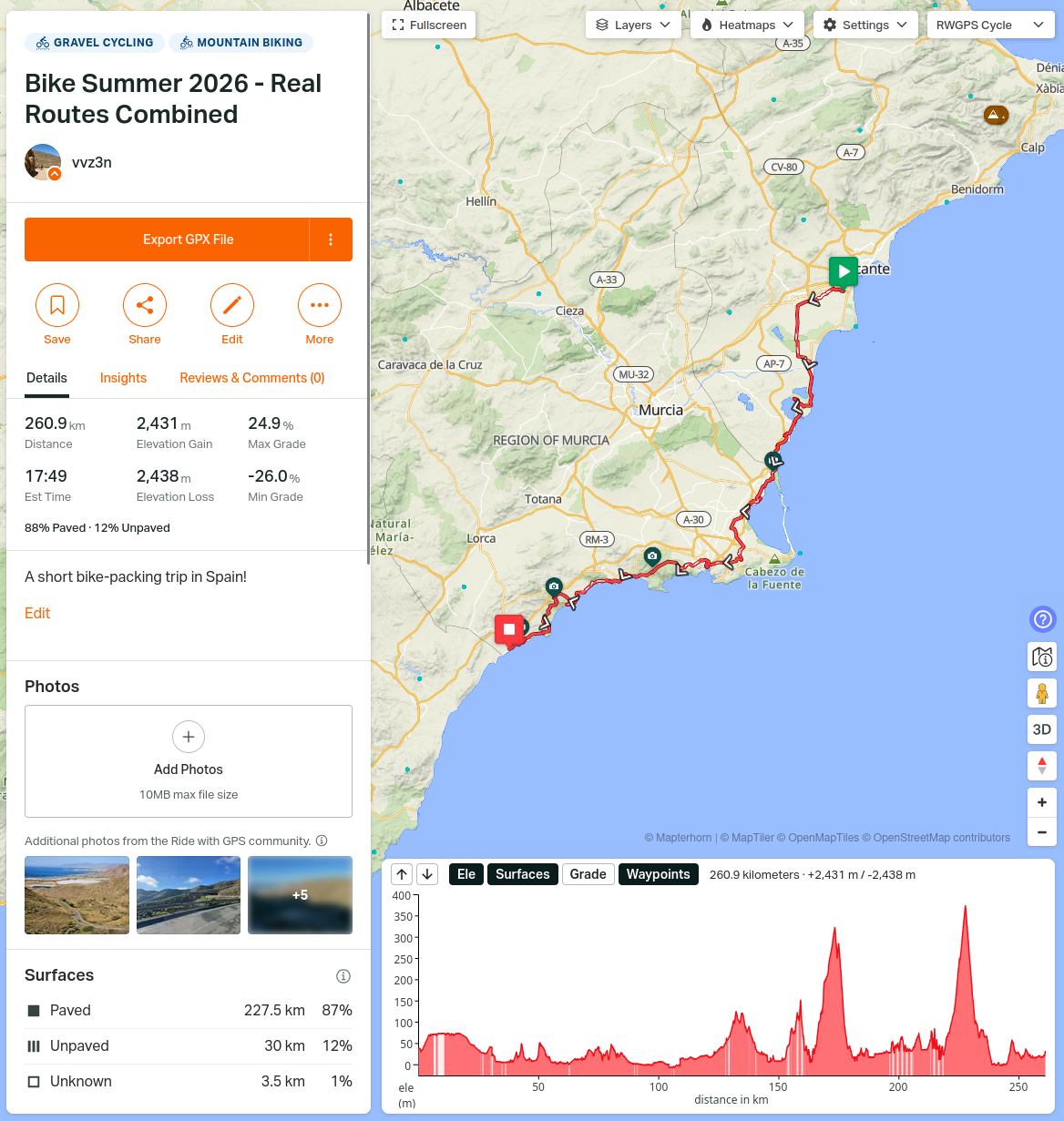
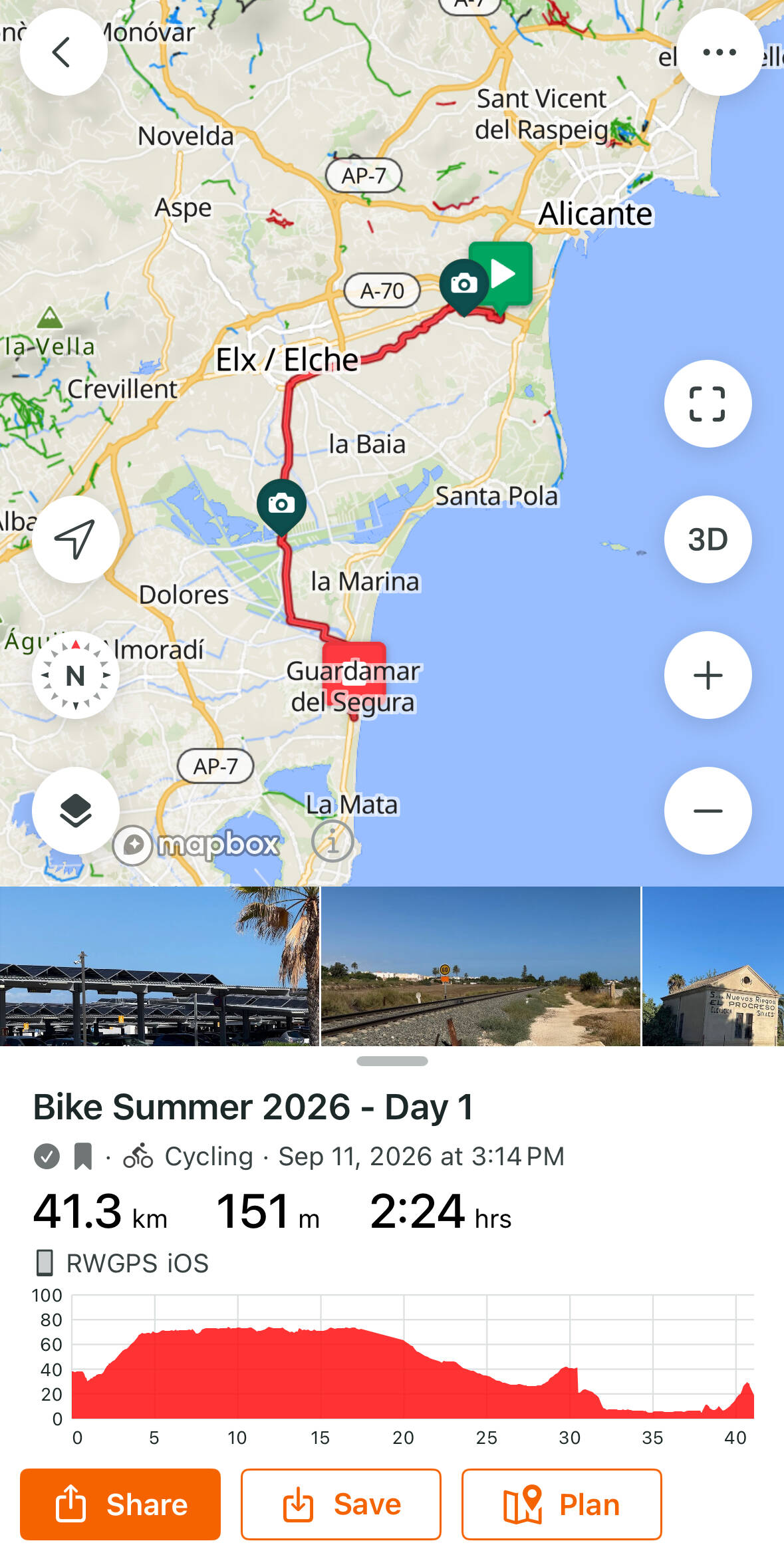
Ride With GPS made it very easy to plan the whole journey and get detailed elevation routes together with potential mileage to cover.
Summary of the whole trip, courtesy of RWGPS. Ah, back in my days we did with pen and paper only..
We also used Bikemap as an additional layer to check each individual leg, mostly because it offers a lot of nice features specifically related to cycling, like being able to see how much of a certain typology of the terrain you'd be covering (tracks, cycling paths, busy roads, etc.).
In my experience, Ride With GPS was easier to use for the "big picture stuff", like planning the whole trip and the various overnight stops, while Bikemap was a bit more useful for the nitty-gritty details of choosing the exact route we'd take every day.
Screenshot from Ride With GPS showing a high level view of our first half day of cycling
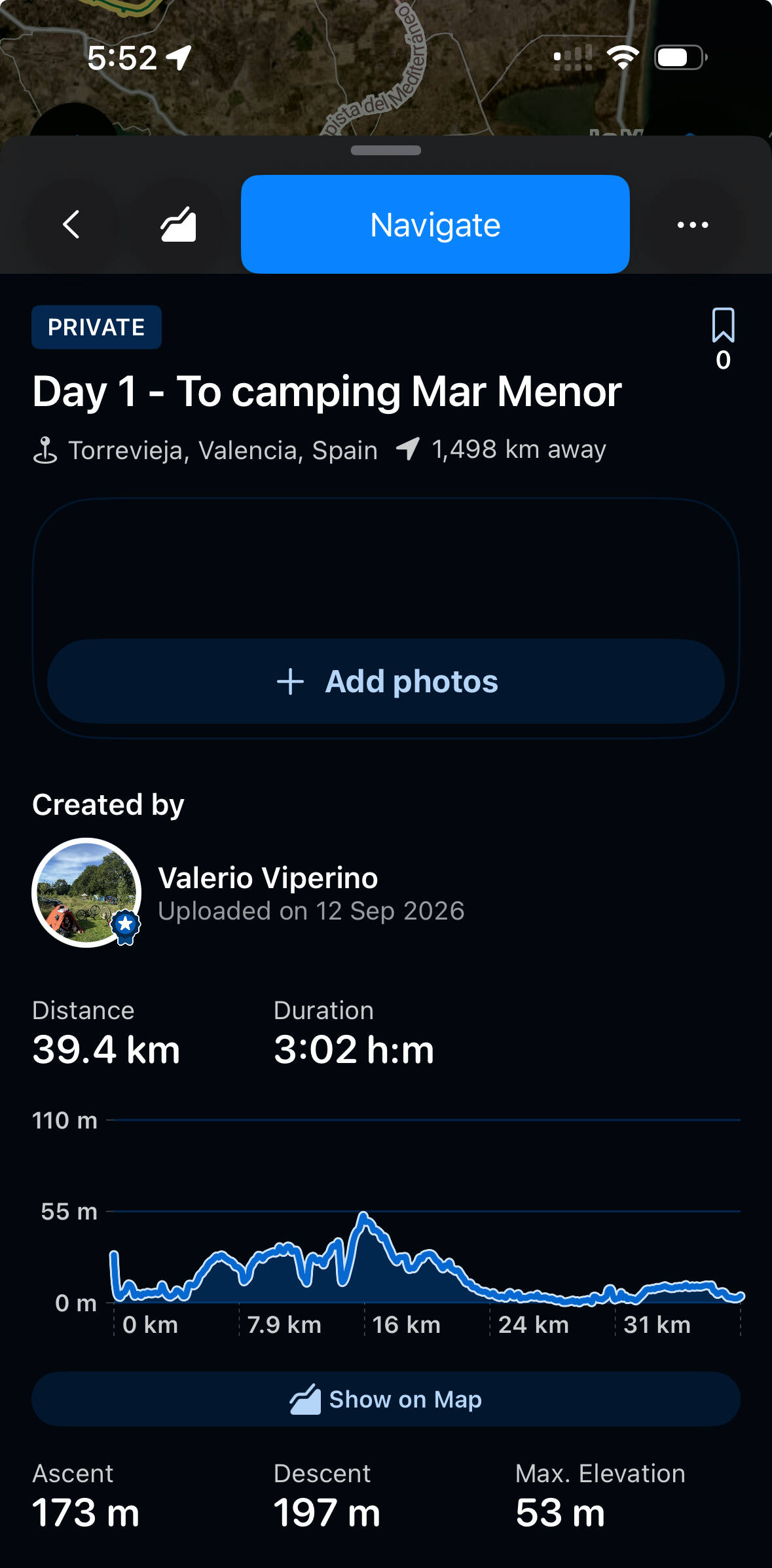
In fact, while on the trip we relied almost exclusively on Bikemap to get to each camping every night, together with a bit of cycle.travel to get a second opinion on the routing, and very very occasionally Google Maps. It's only after using Bikemap that I realized how bad Google and Apple Maps are at giving you cycling instructions, since they basically always gloss over where the cycling lanes are and treat you like a 'simplified car'. I tended to use Apple Maps 'cause it's considerably better than the Google alternative, but now that I've tried real cycling apps I will never go back to generic ones.
Real route that we recorded via Bikemap
Bike computers
Before starting the trip we had a look at dedicated bike computers, 'cause why not?
My original (honest) opinion after trying a couple of different models in real life (like the Garmin Edge 540) was that they were overpriced tamagochis and offered no real improvement over using a smartphone like I've done for all these years (both in the city and outdoors).
The only one that seemed to receive a bit more praise (online) was the Coros Dura, which is currently impossible to buy online anywhere. So in the end we just decided that we'd go without any fancy bike computers.
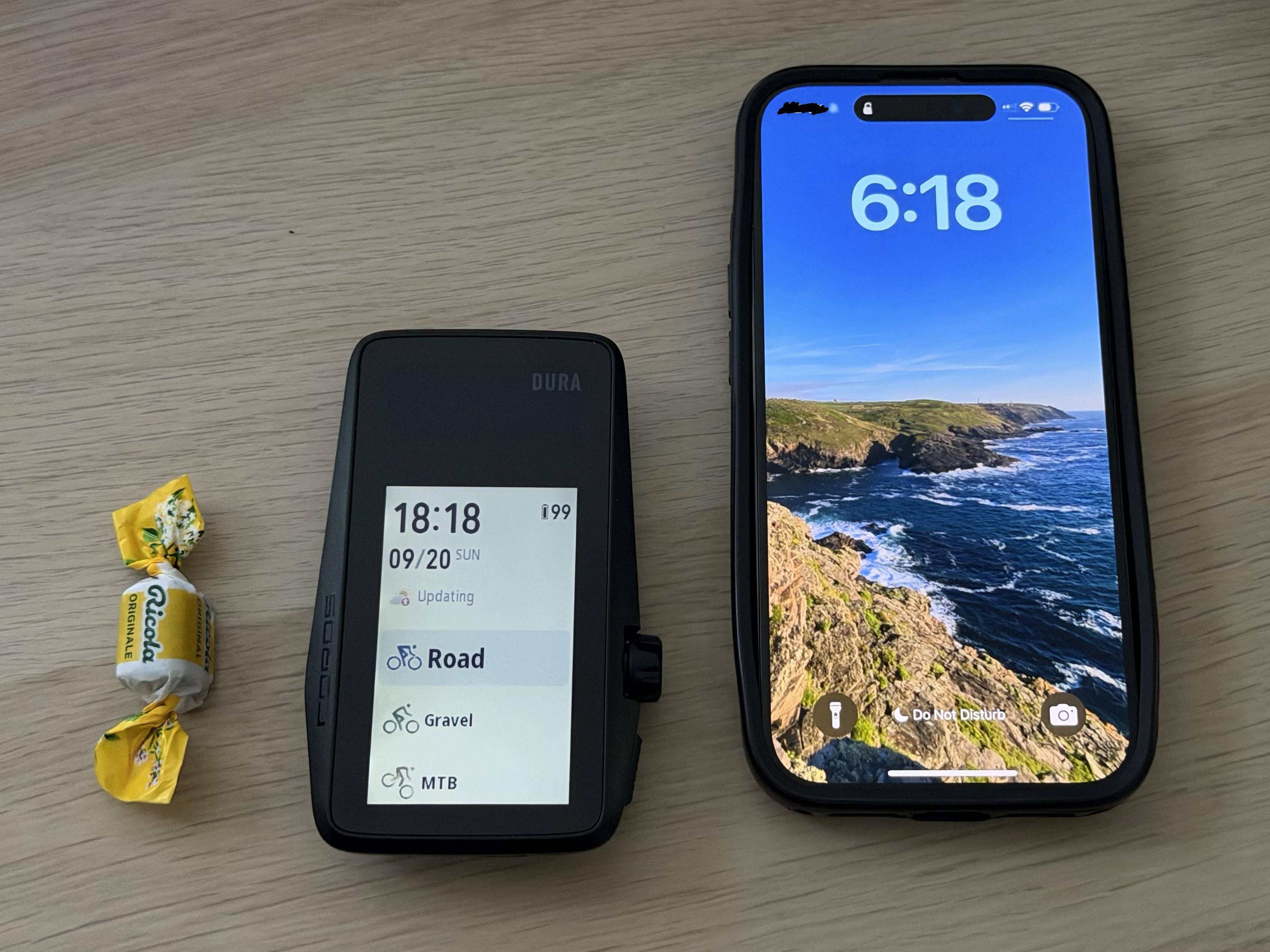
By sheer luck, on our last days in Almerìa we found a shop that still had in stock a couple of Duras, so we snatched one. For the price, it looks considerably more usable than any Garmin or Wahoo that I've tried, and the battery life promises many days without recharging.
The first day of usage of the Coros Dura in the city we gave it a 5/10, at least when compared to the usability offered by smartphones and dedicated cycling apps. The screen is considerably less bright while also being smaller, so it really was adding a lot of pain to a bit of the adventure that never had any friction.
Over more days of usage I've grown to like it more, so now maybe I'd give it an 8/10. Turn-by-turn directions take a bit of time to get used to, but over longer legs it's nice to not have to worry about draining the battery of your phone.
The Coros Dura 1 close to an iPhone 15 Pro.
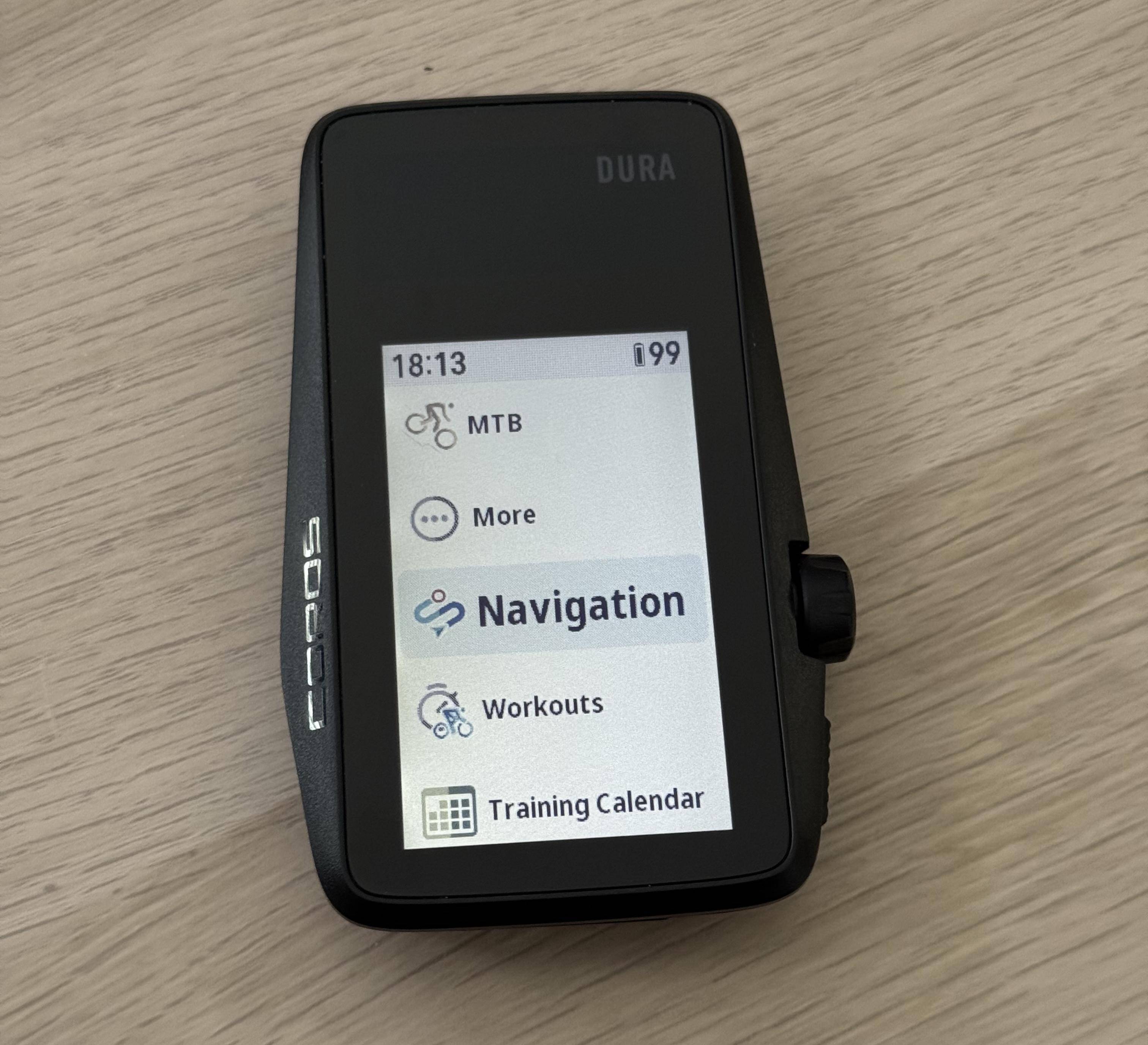
Main UI of the Coros
Wearables
I don't use wearables: I don't like to have to worry about more things that require constant charging and software updates.
However, my wife had her Apple Watch (Series 11?) with her for the whole trip, and she came to the realization that it's a bit of a gadget made for city people. Once you're outside doing something that resembles a real adventure (and not just a training session in the park) its short battery life becomes a real burden, especially if you'd like to track important metrics and/or use it for navigation. We won't be buying one again, and the Apple Watch Ultra is just one more expensive variation in this segment.
We might look at Garmin alternatives in the future, but so far I still hold my opinion that they're nice toys but don't really help with keeping your journey safer. I don't want to go to a camping and have to charge a gazillion of semi-useless electronic devices.
Packing the bikes for the flights
Since we decided to fly to Spain, we needed a bit of time to plan for packing and sending the bikes as "sport equipment". I had done it in the past a loooong long time ago (when I was in High School and flew with my best friend at the time to bike-pack in Sweden) so I was confident we could manage.
It turned out to be mostly true: once we bought (cheap) foldable bike bags to carry them on the flight, we just needed to remind ourselves how to remove the pedals to pack them properly (it's a requirement of most airlines in theory, but in practice nobody checked ours). After a few YouTube videos, I found a very useful technique that didn't require any dedicated tools. Personally I found it easier to remove pedals with a spanner and then put them back with an allen key, so we packed both.
In the end we just bought the "sport-equipment" add-on for our flights without a lot of extra preparation. The only practical tip here is to grab a cart at the airport as soon as you can so you don't need to carry the bikes by hand. Then apply the usual judgement of getting to your flight as early as possible, ideally 2-3 hours if you want to be relaxed.
Bike & Panniers
I still remain of the same school of Tristan Ridley, which is to travel on a mountain bike.
Even if you might lose a bit of speed on a paved roads compared to a gravel bike, I think a mountain bike is overall more flexible when bike-packing since it will adapt without issues to more challenging off-roads that might present to you when doing more panoramic routes. If you're cycling in more remote places or crossing mountains, you might go through bits of track that are really gnarly for fully rigid bikes.
I also still don't use panniers on my bike for the same reason: when going off the pavement panniers tend to give you more troubles as they'll bounce around and grab onto plants/trees/etc, not to mention how much they change the weight distribution of your bike if you don't counter them with fork bags too.
I still carry on my shoulder a relatively heavy rucksack. I'm used to carrying heavy stuff on my back from my times as a scout but I know it's not good in the long term when bike-packing, so I'm constantly trying to ensure I can carry less on it.
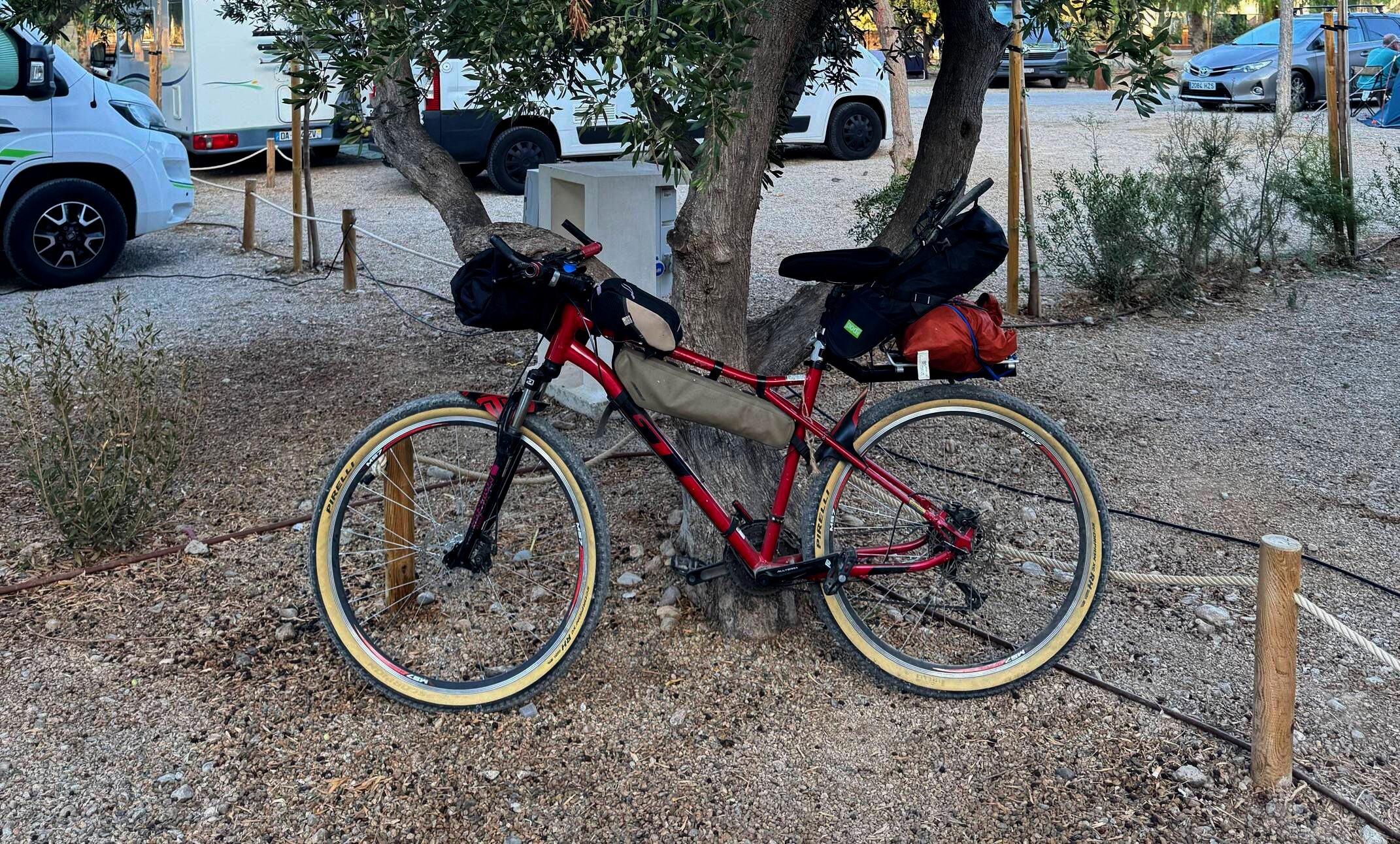
On the bike I had:
- A center bag on the inner bike frame, carrying tools for the bike, spare inner tubes, etc.
- A 'tank bag' (that's how I'd call it on a motorbike) close to the handlebar. For candies and a powerbank to charge the phone while riding.
- A saddle bag with clothes for the night.
- An adjustable bike rack on the rear, used to carry the tent and occasionally other small bits of clothing (e.g. caps to dry)
- The rolled 'bike bag' (in black) used to carry the bike itself when flying
The minimalistic bike setup I used
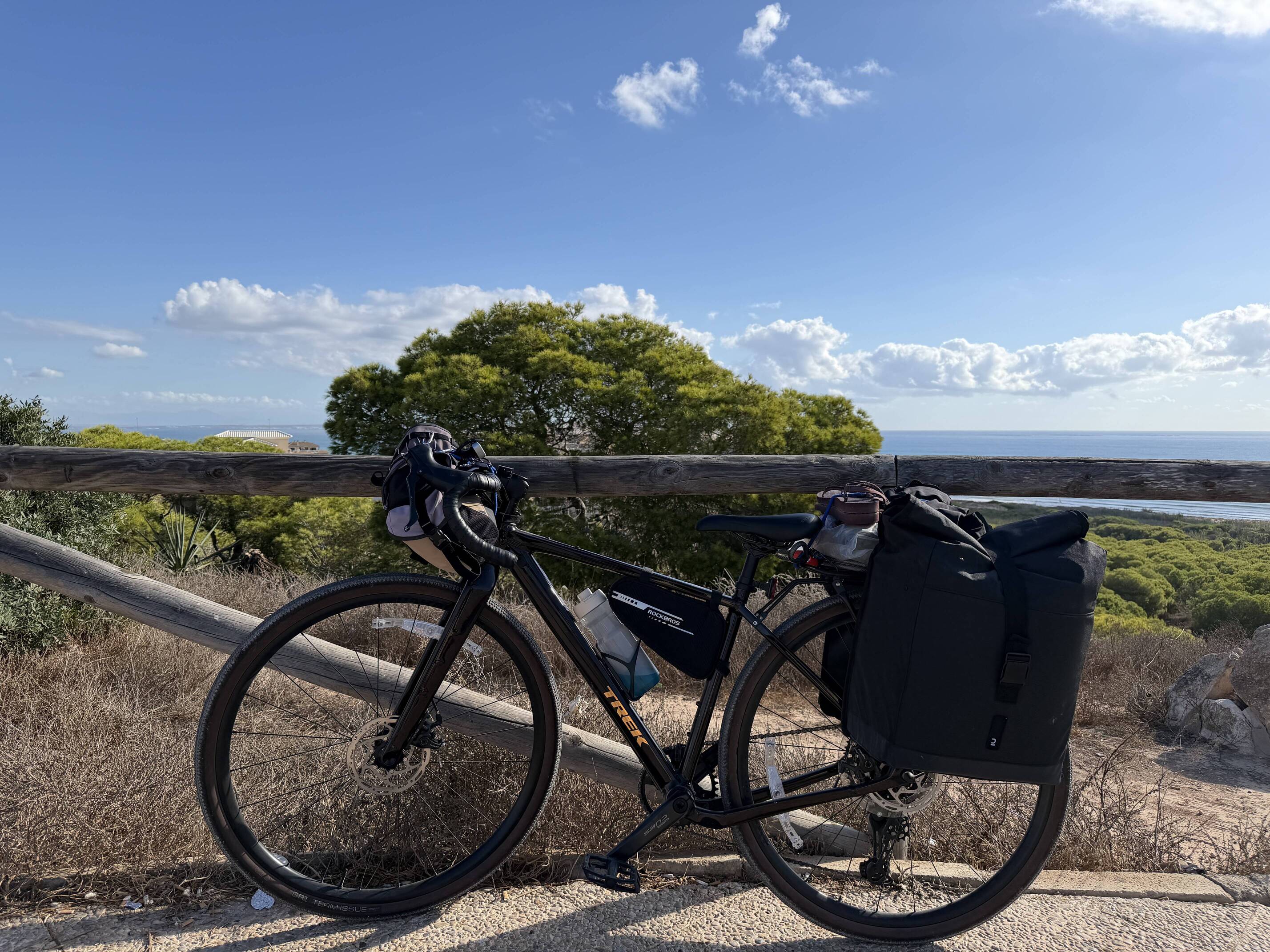
The setup of my wife, on a gravel bike with panniers
Cooking
This is a lesson I tought I knew but I learned again: like in Italy, good food in Spain is cheap, so we ended up never using our alcohol stove to cook. Your mileage may vary, but in the end good tapas for 2 people at lunch can cost you 20€ total (or just a bit more), so that can be affordable for one-offs, especially if you consider having panini with ham/salami/cheese the rest of the time (which can be as cheap as 5€ total per meal).
Tent, and Sleeping
I only used my sleeping bag one night. All the other nights it was just so hot that I couldn't even fathom wrapping myself in it. Lesson learned: if the forecast mentions 25℃ during the night, buy a summer sleeping bag or just carry a single sleeping bag and use it as a blanket for both of you.
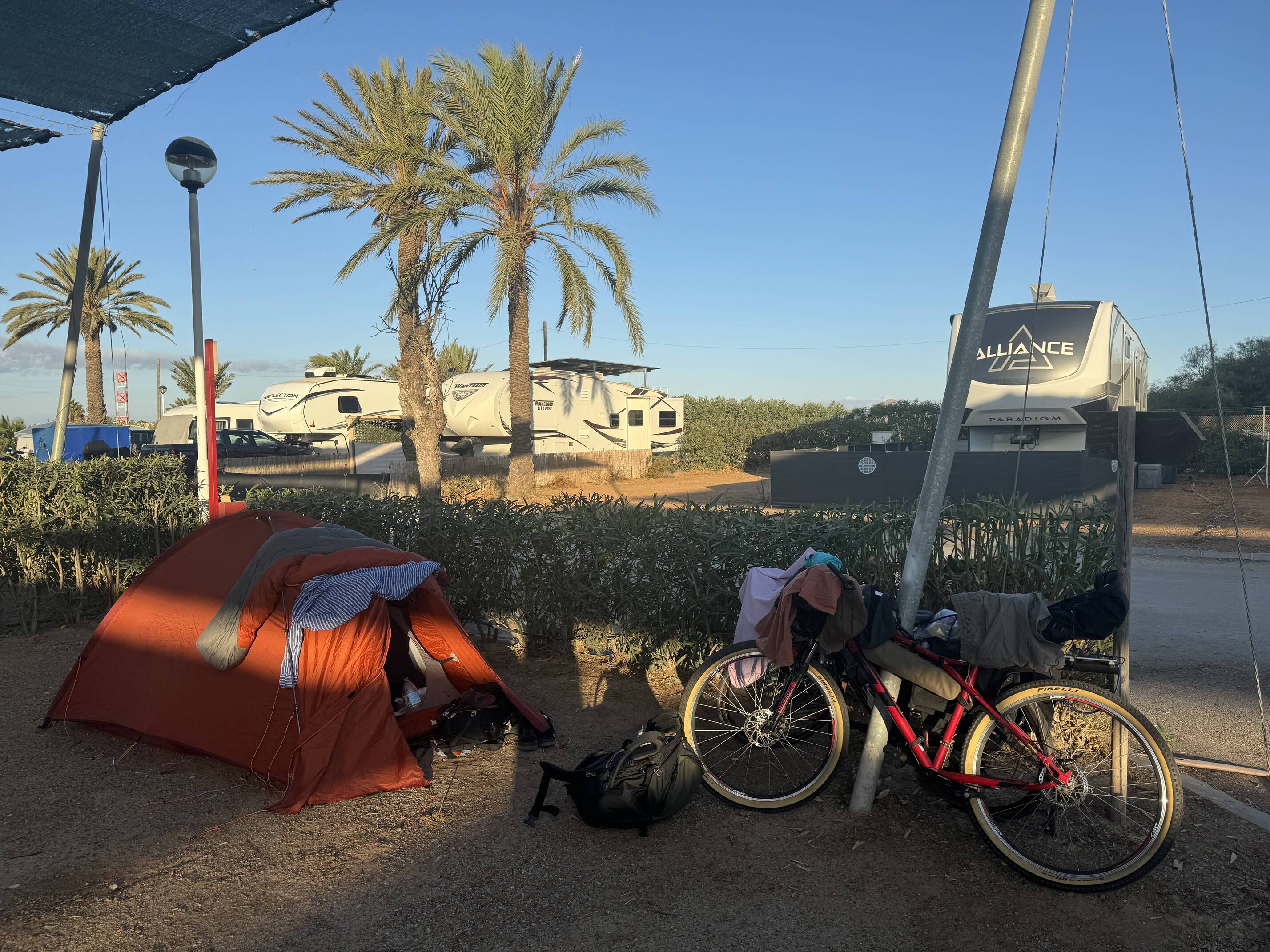
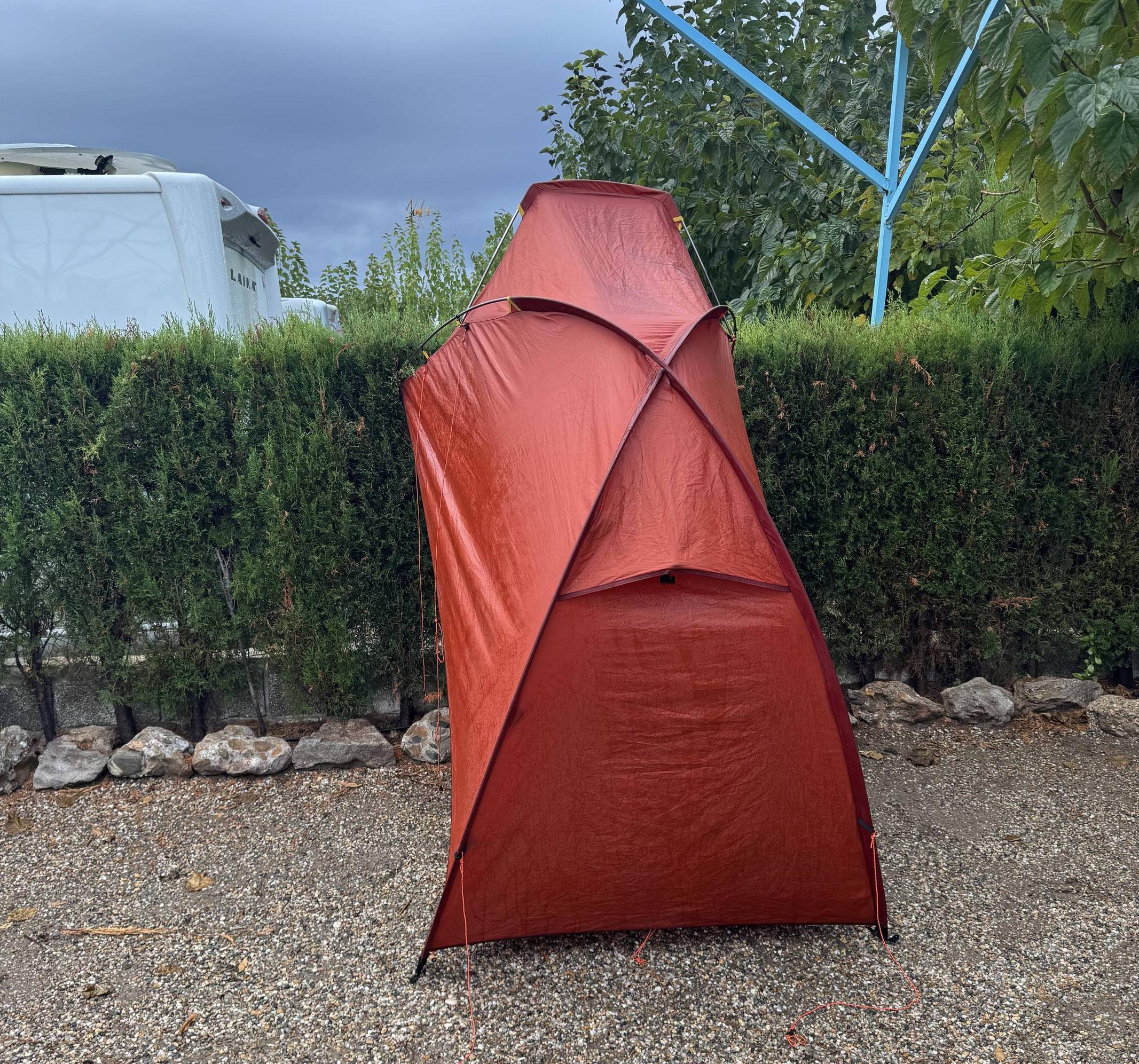
I also keep using my cheap old orange tent bought on Decathlon a long time ago, which is 3-season if I recall correctly. The same lesson applies here too, and at times I really wished I had bought a lighter tent rated for summer, especially since we were two people in it this time.
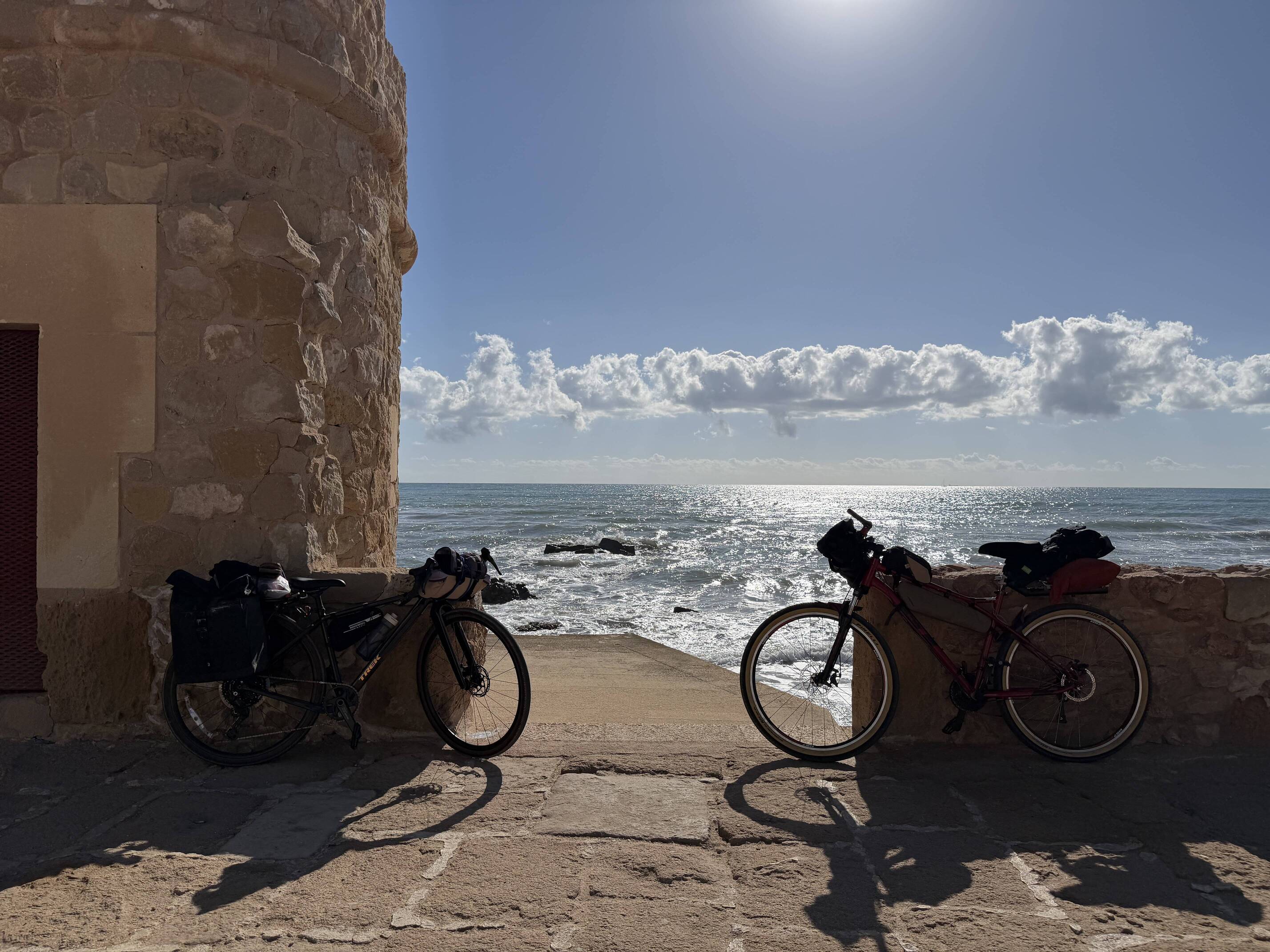
Good old friends.
The trip
Writing about music is like dancing about architecture
(attributed to many)
If crossing the coastal lines of Spain by pedaling on two wheels while carrying with you everything that you need to live could be described by words, then here I'd write a lot of words.
But it's just not possible, everything gets lost in translation, and no amount of reading can compensate a lack of experience.
So at best I can offer to anybody reading here (mostly my future self) a few photographs that remind me of this beautiful trip, and how much connecting with nature is the only way to heal and to detox from many nonsenses found in modern human life.
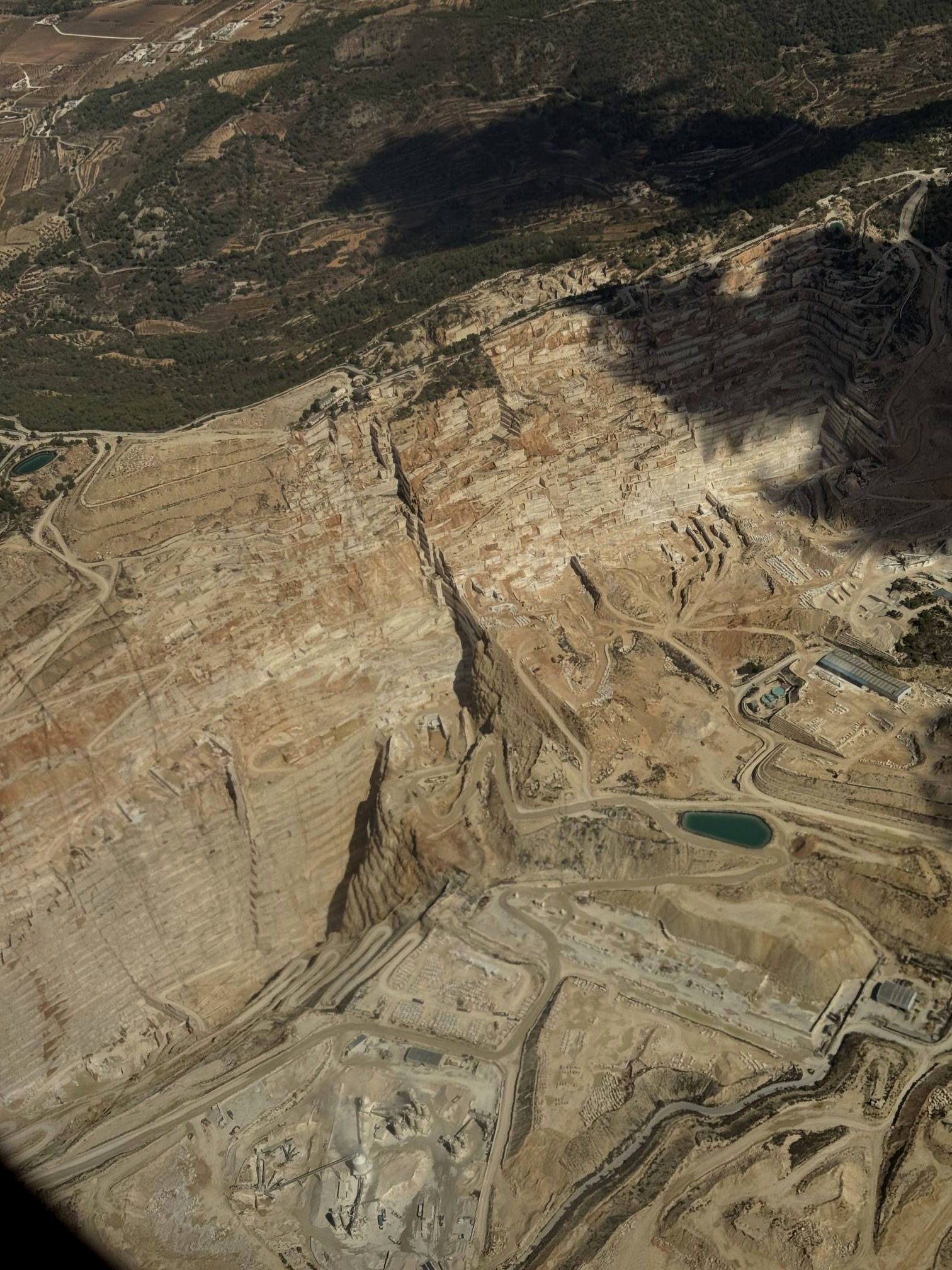
View from the plane while crossing over Murcia
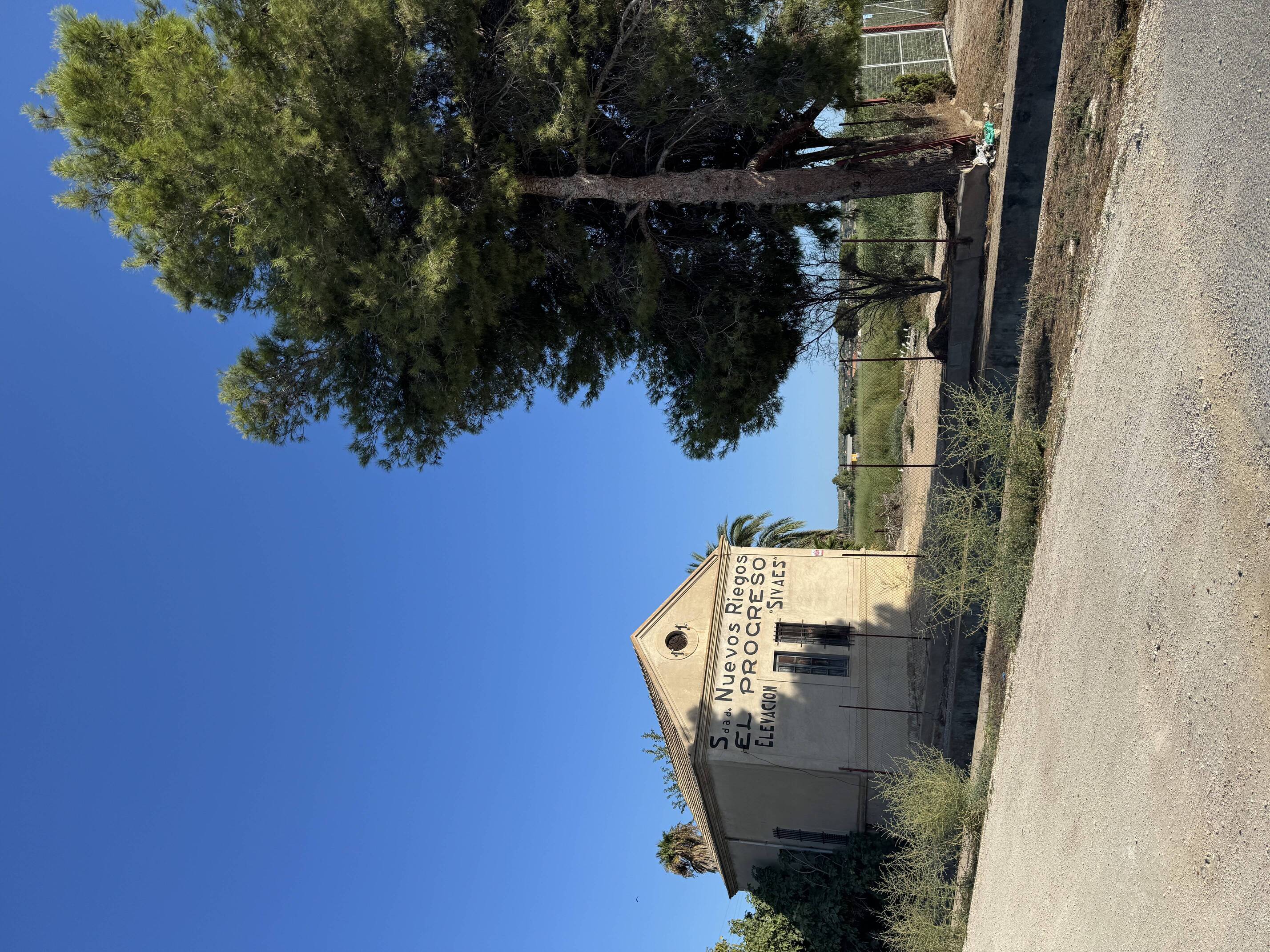
Somewhere in Elche
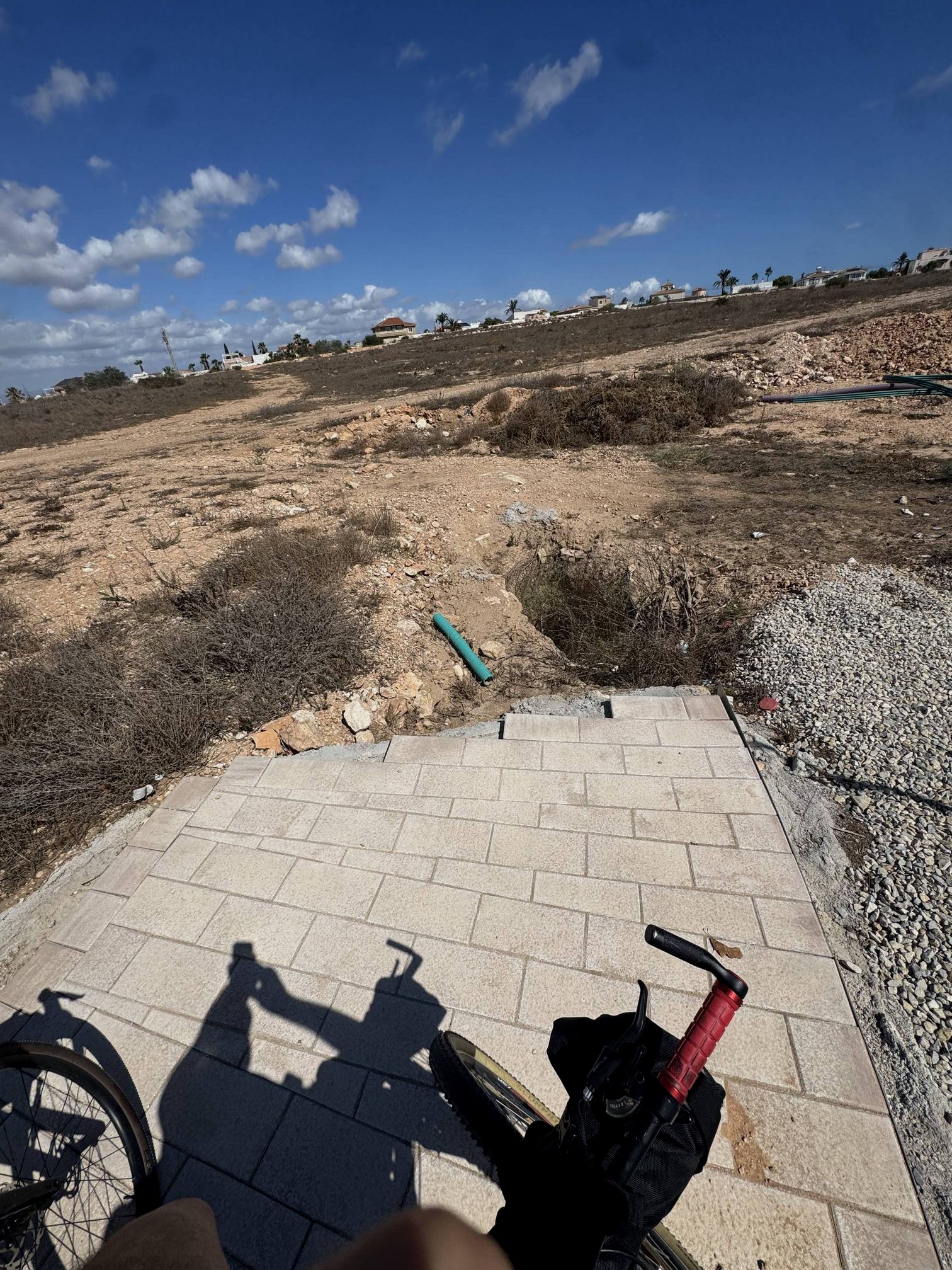
Certain roads just lead to nowhere
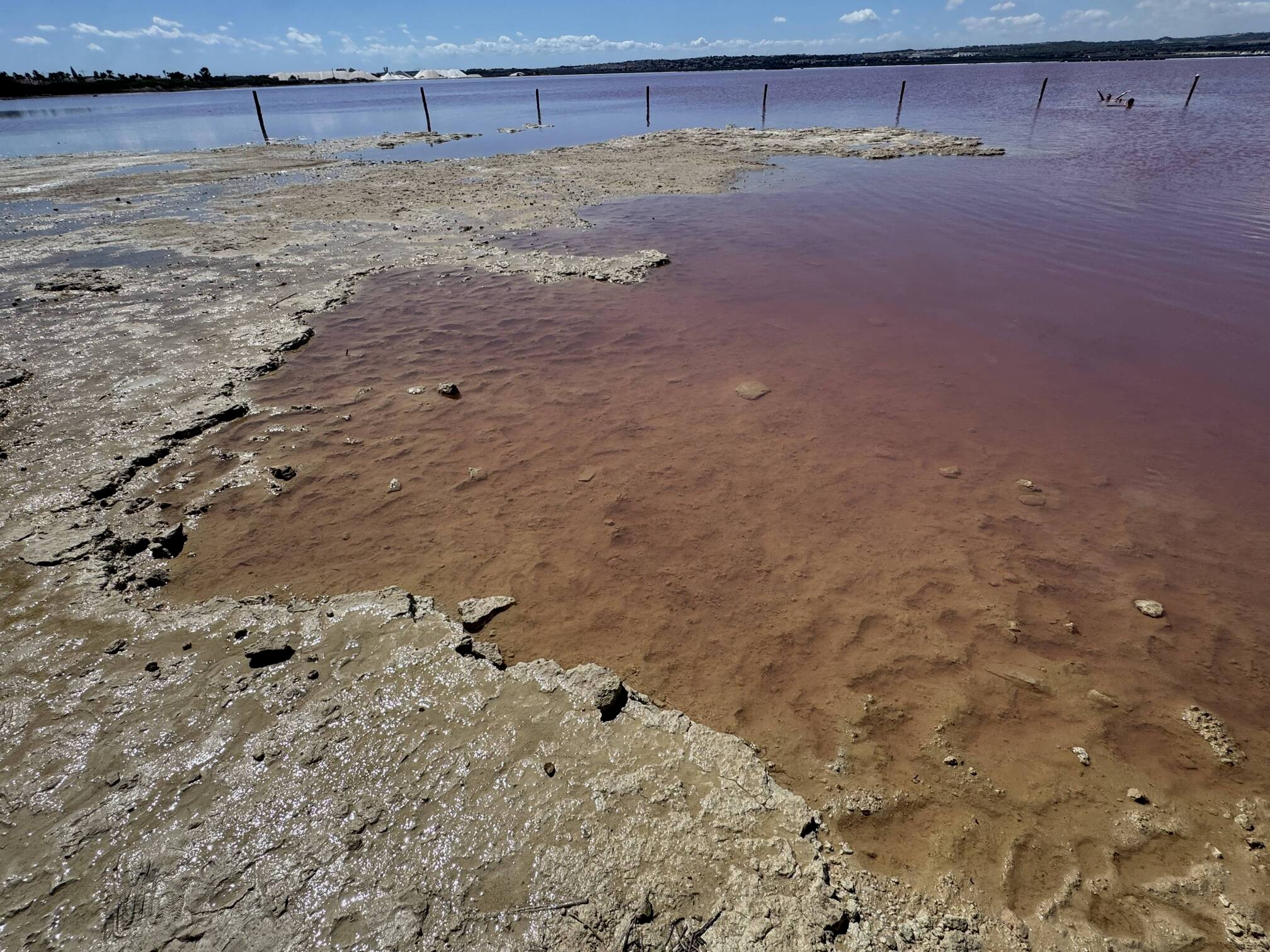
Pink lake close to the salina of Torrevieja
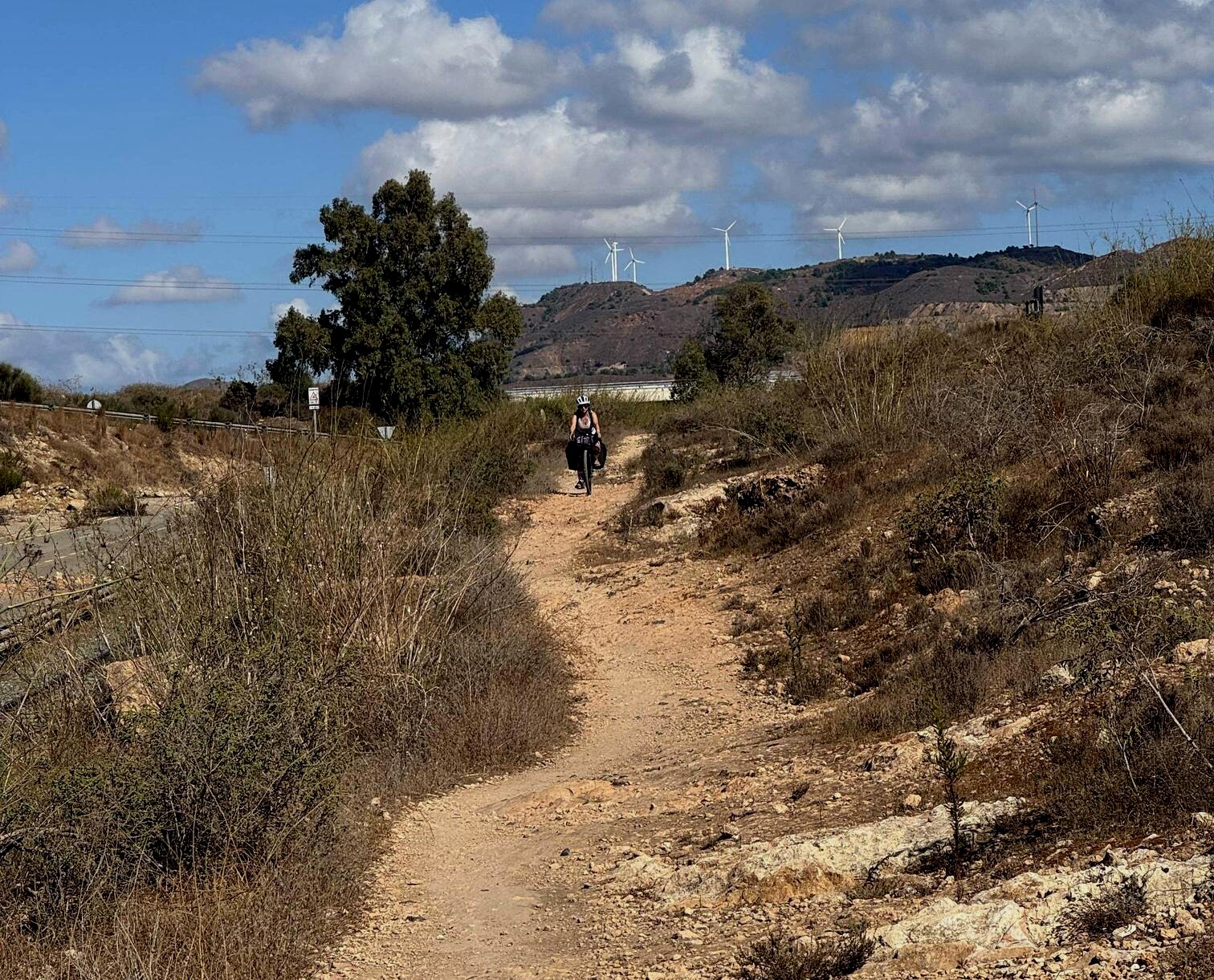
My wife doing her first real bits of gravel
A long day that kept us on trails until night
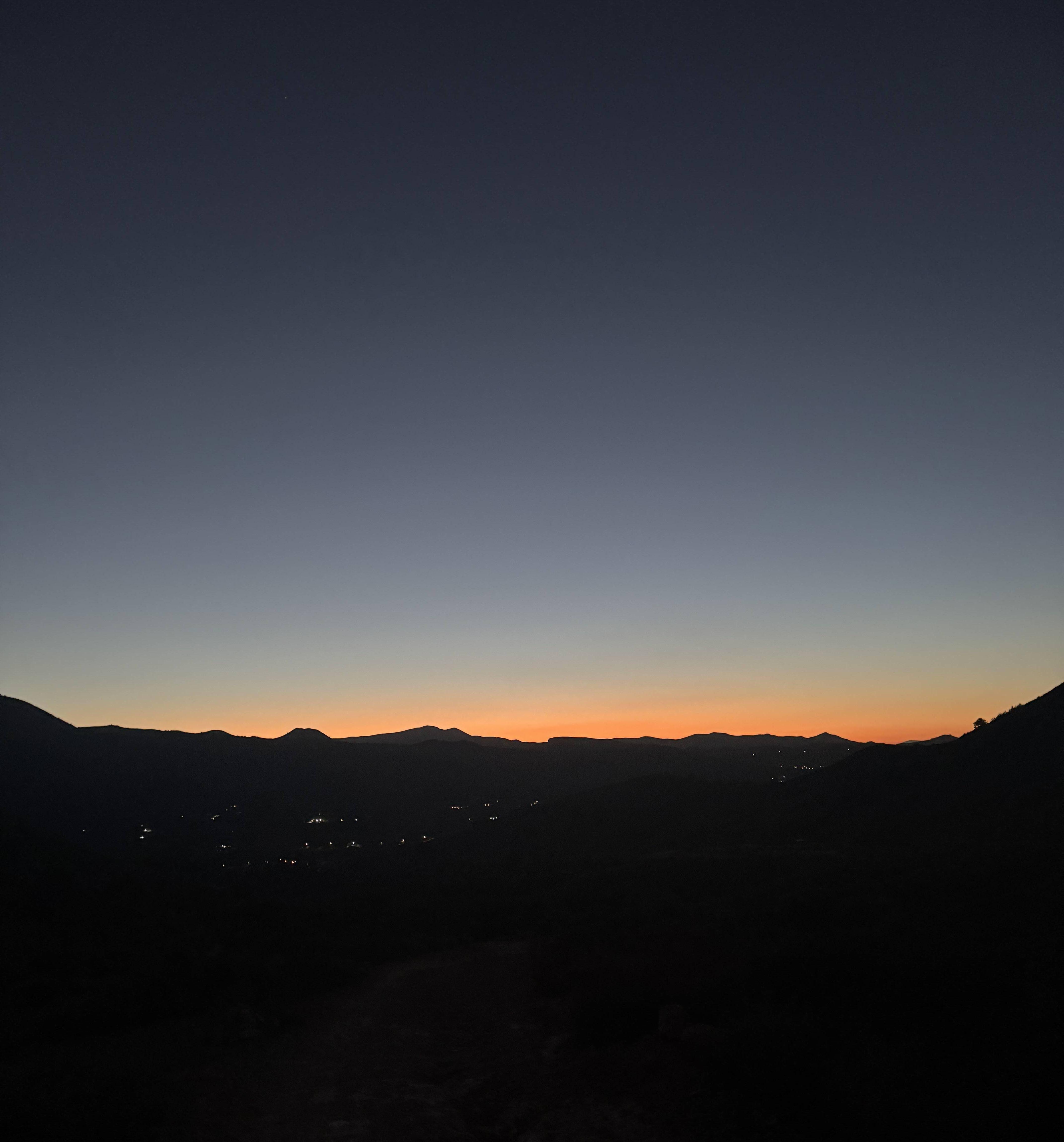
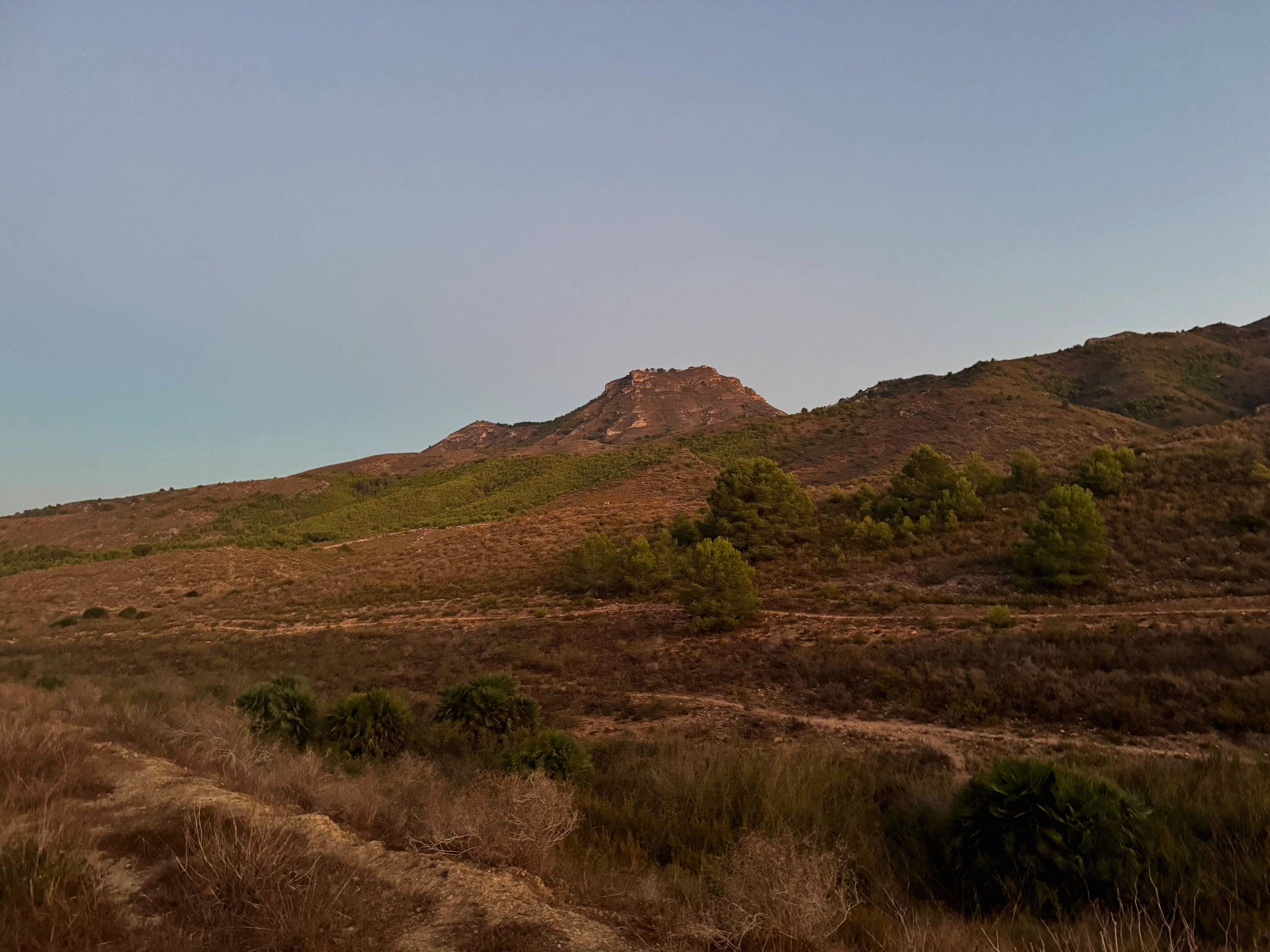
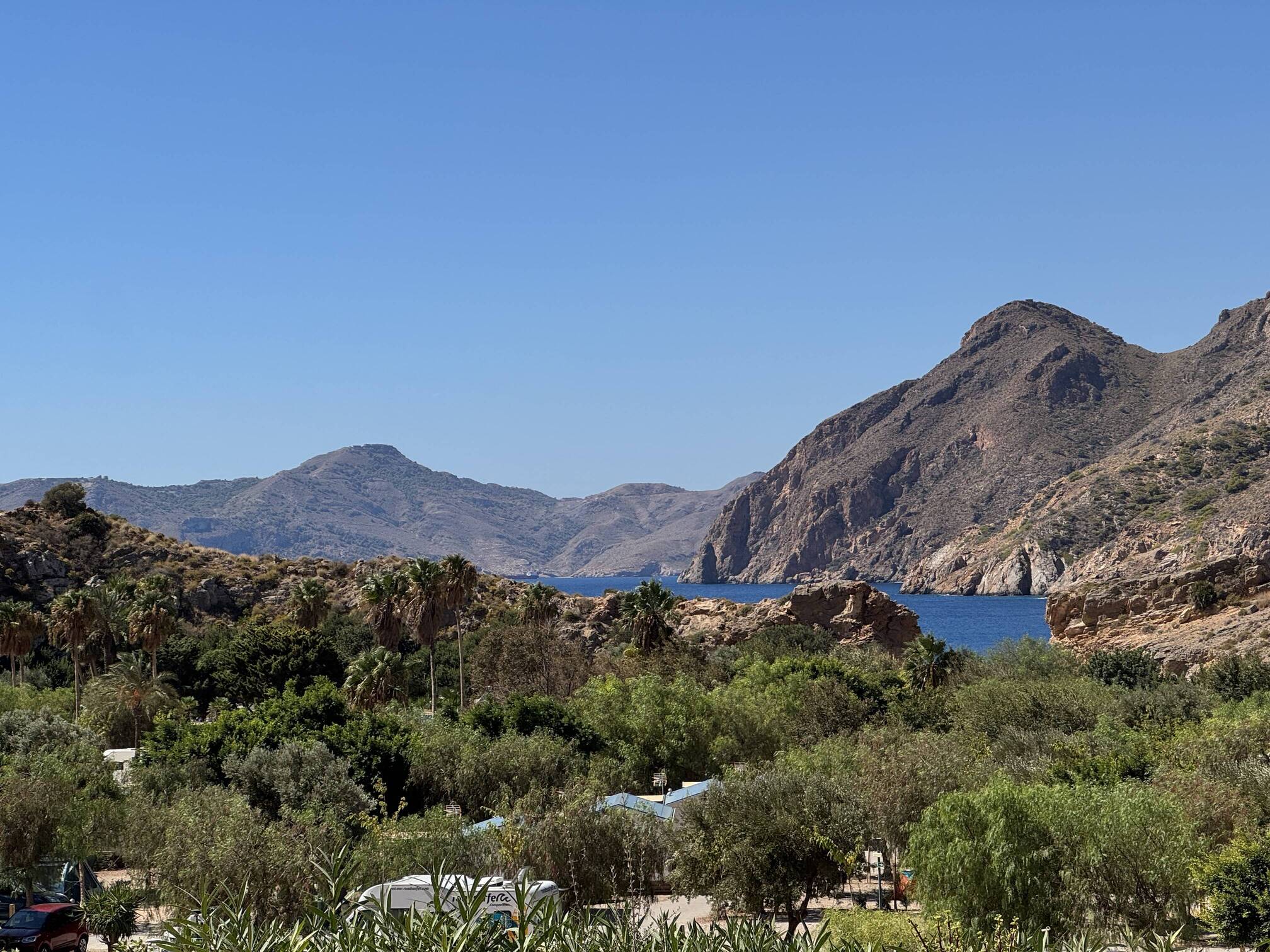
Bits of paradise hidden between mountains
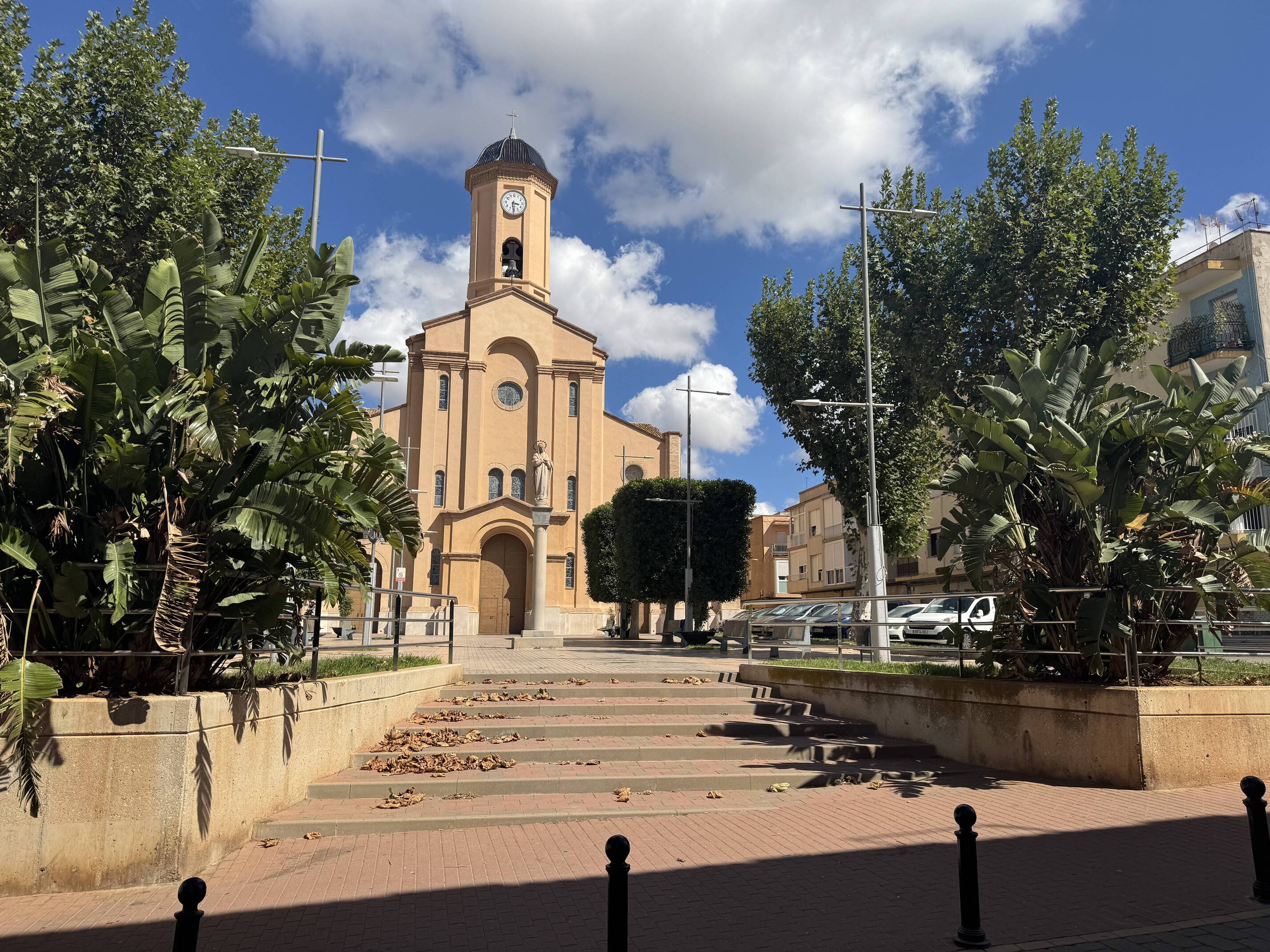
Churches with bananas
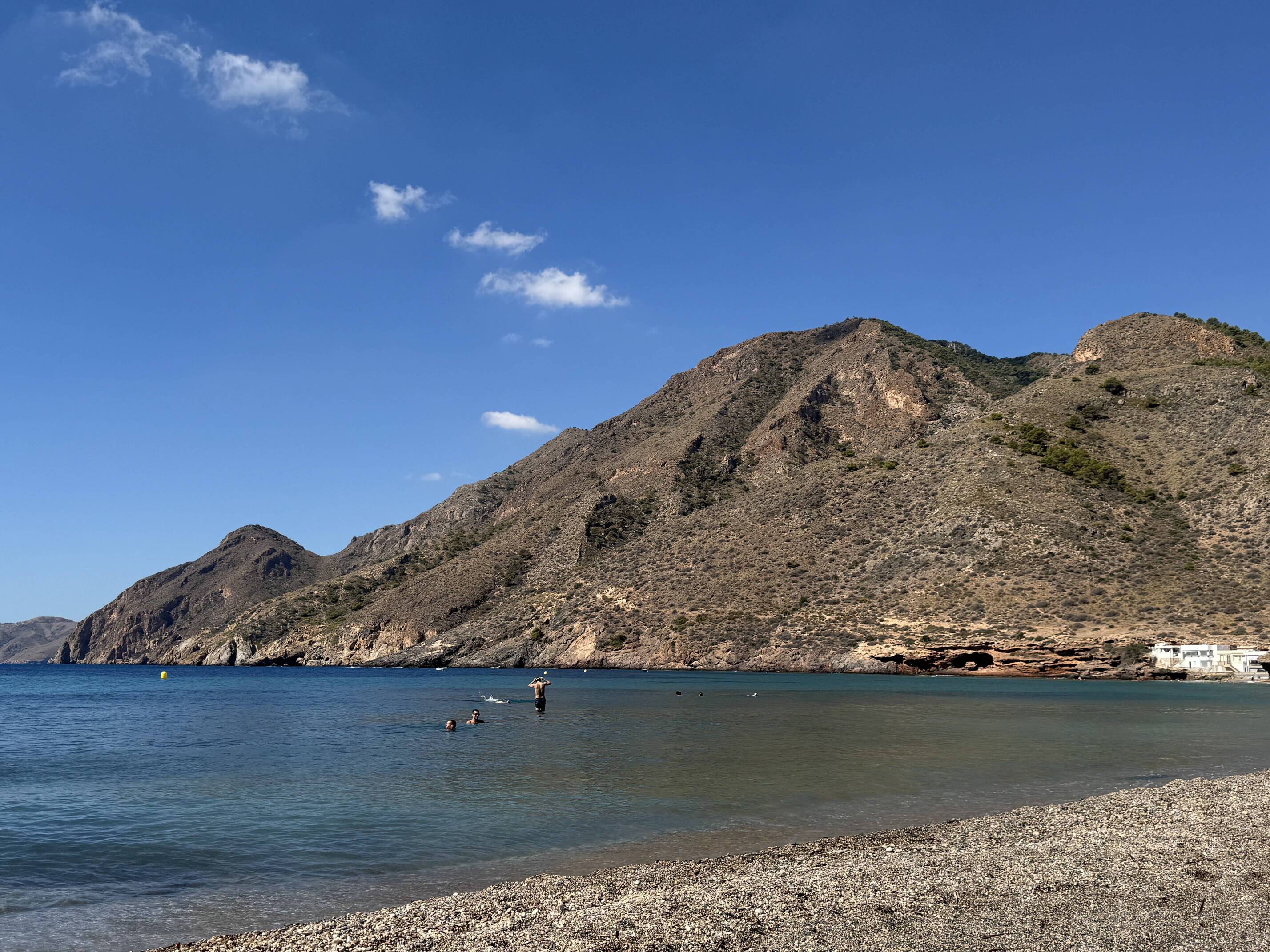
The coast of Isla Plana
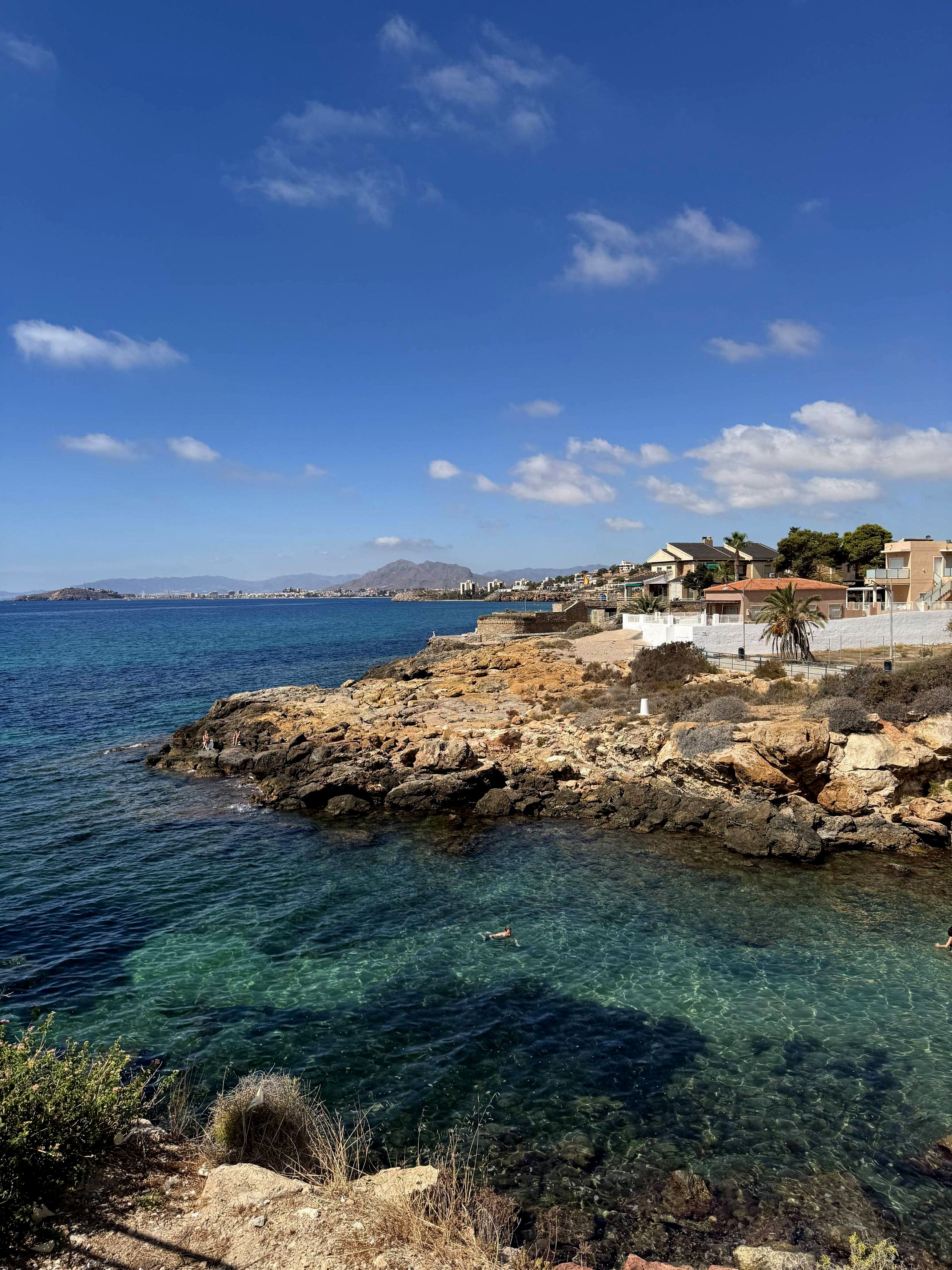
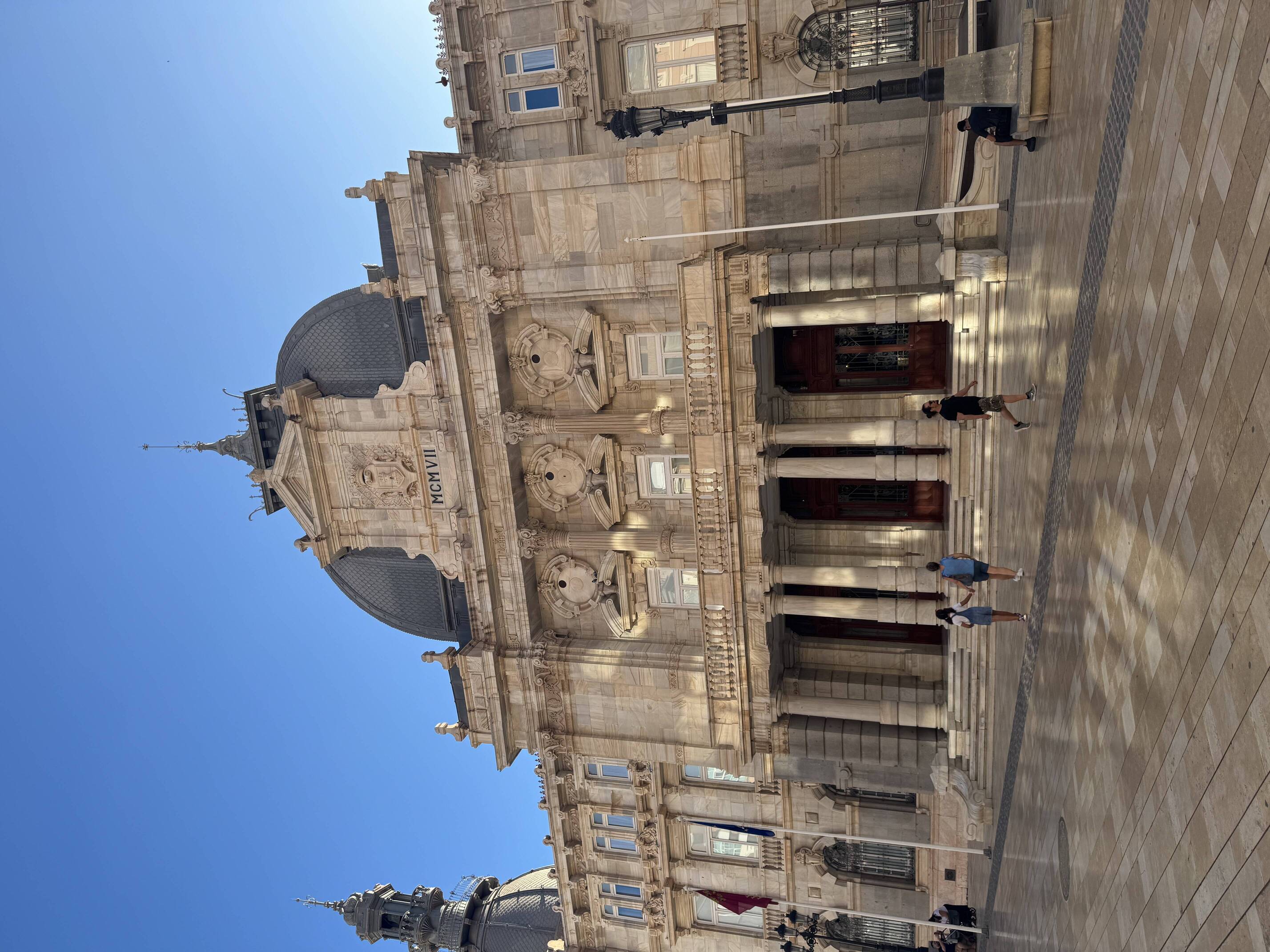
Arriving back to civilization in Cartagena
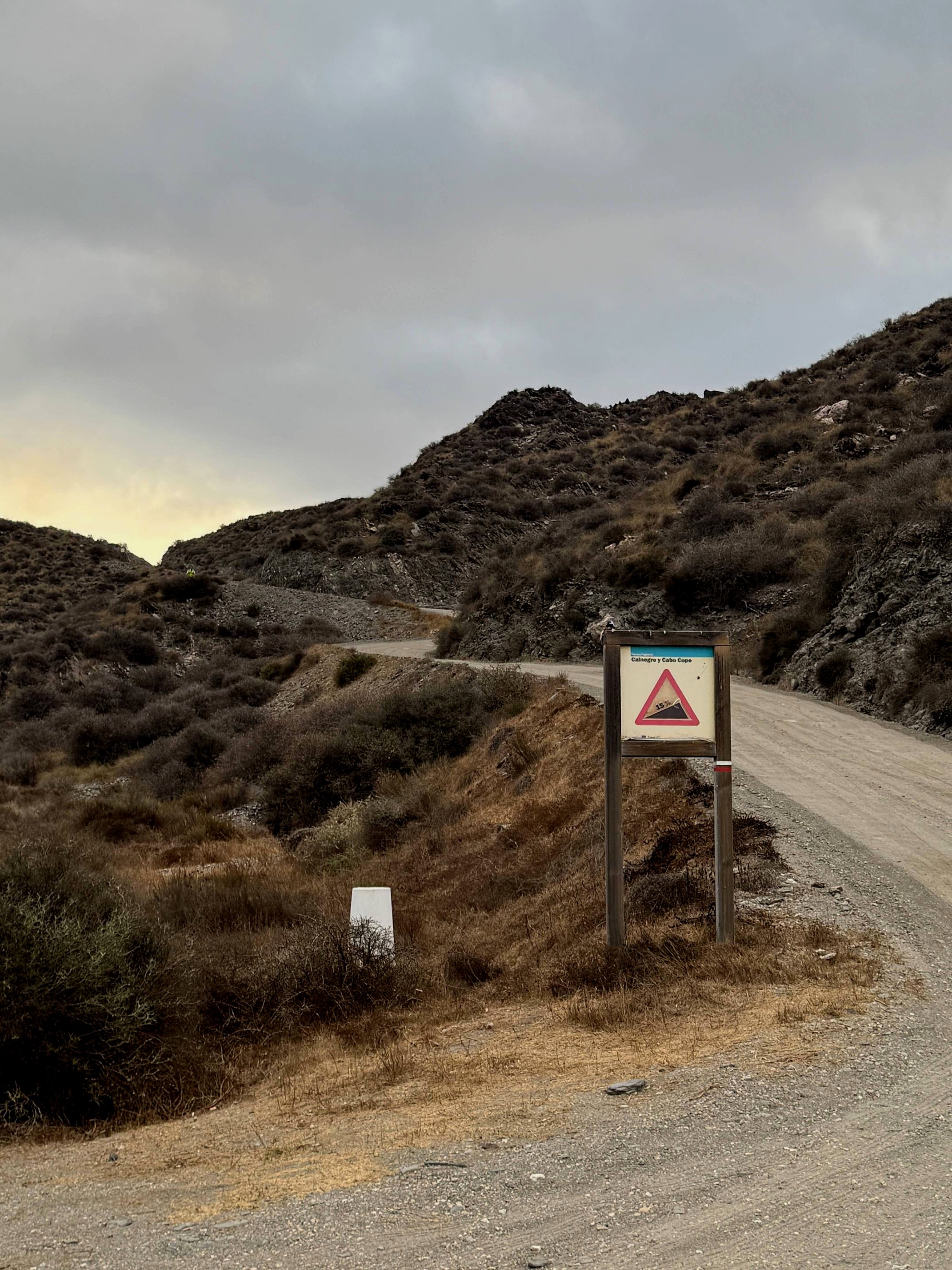
15% grade while the night is slowly approaching. No other choice but to push through.
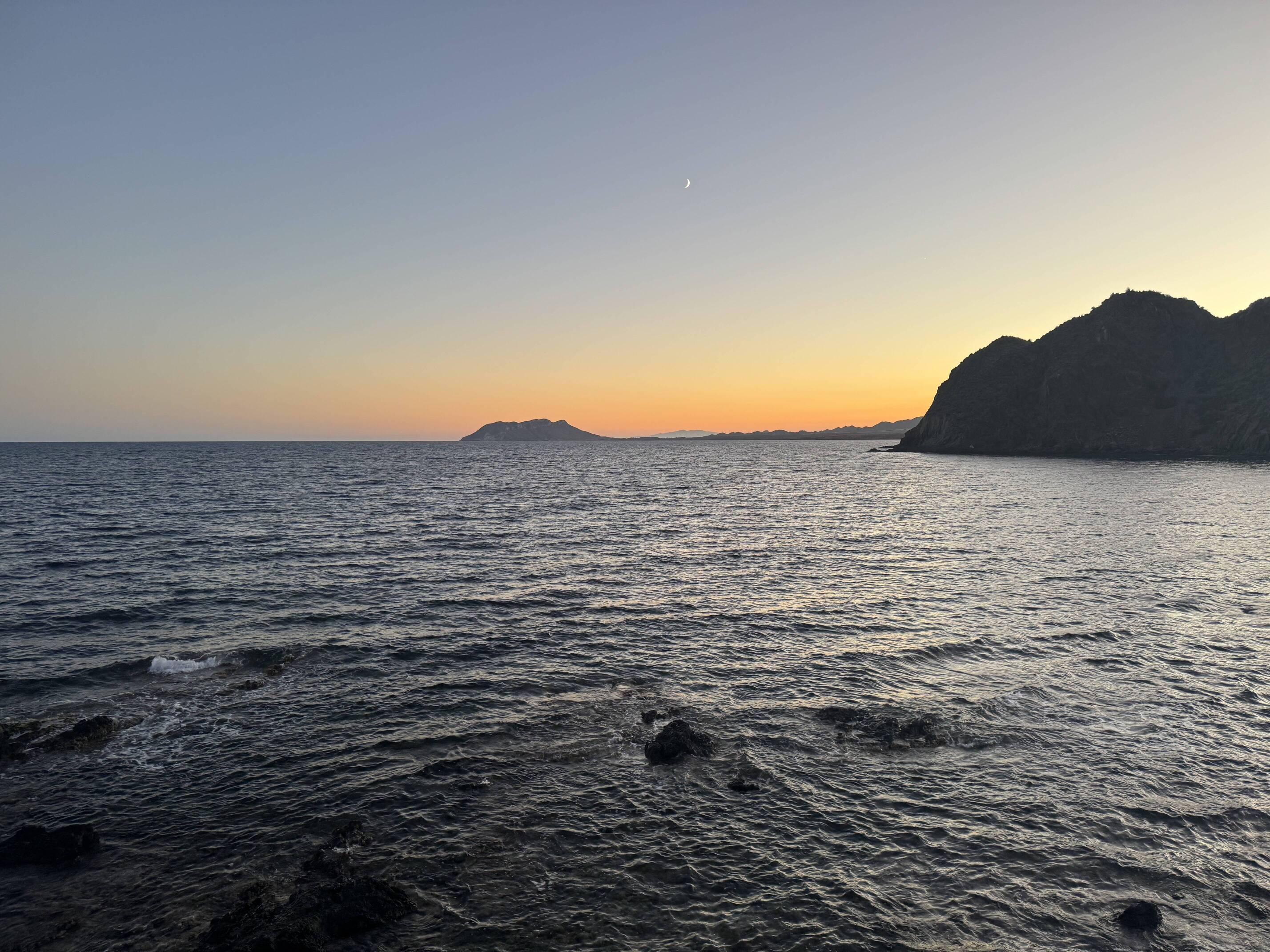
Sunset on the coast.
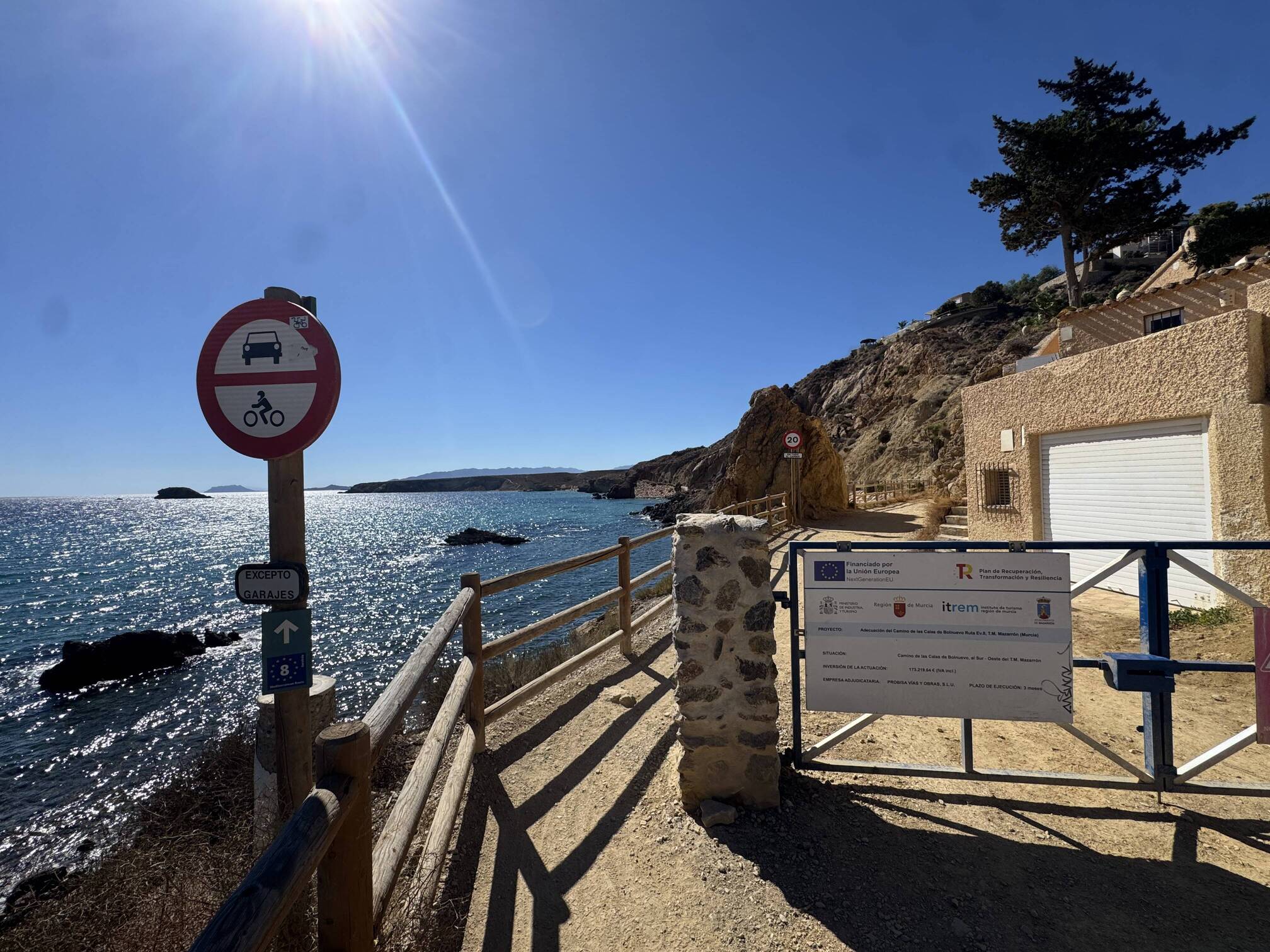
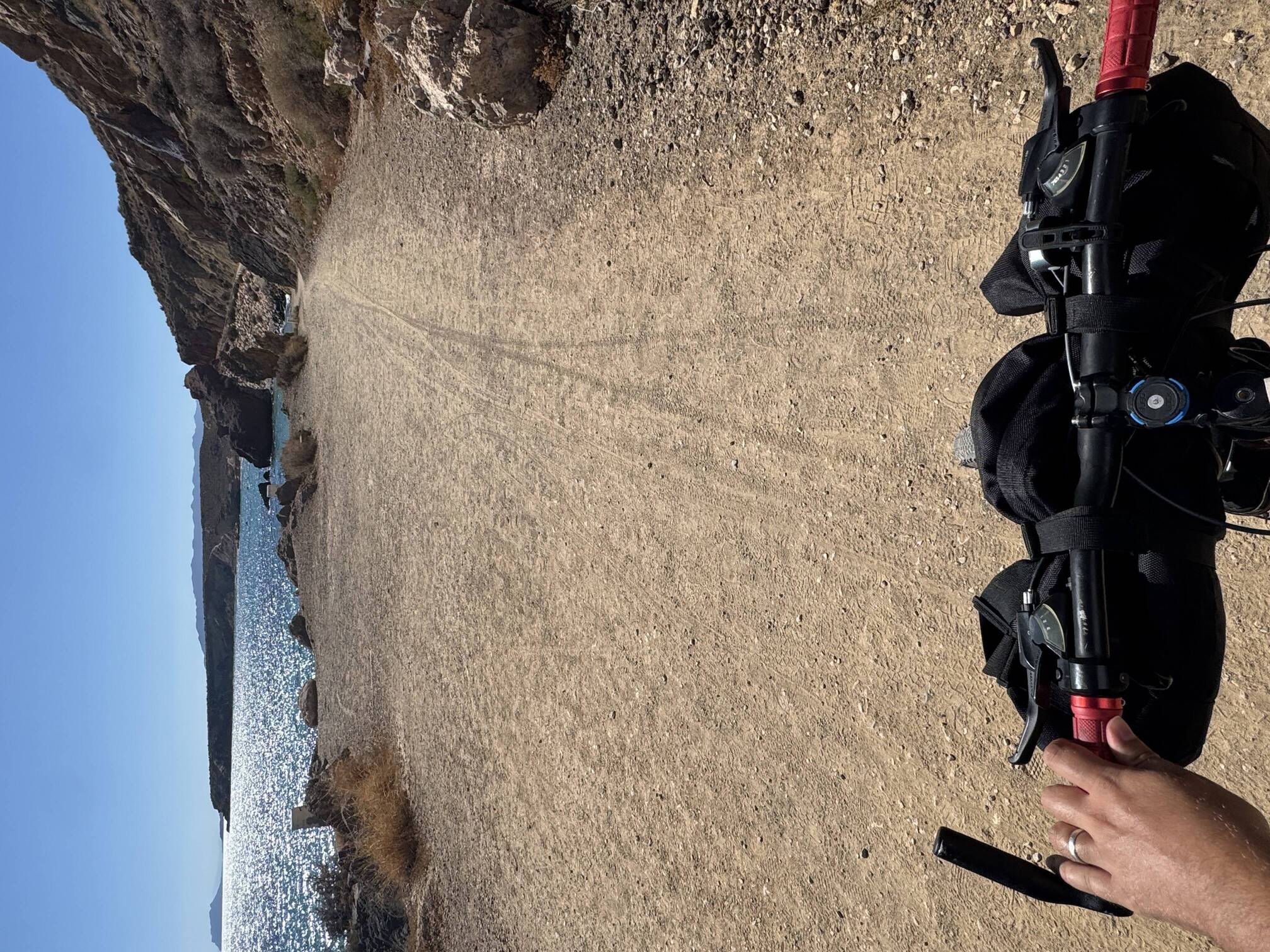
The start of a beautiful portion of the Eurovelo 8.
This was one of the best gravel paths I rode in my entire life.
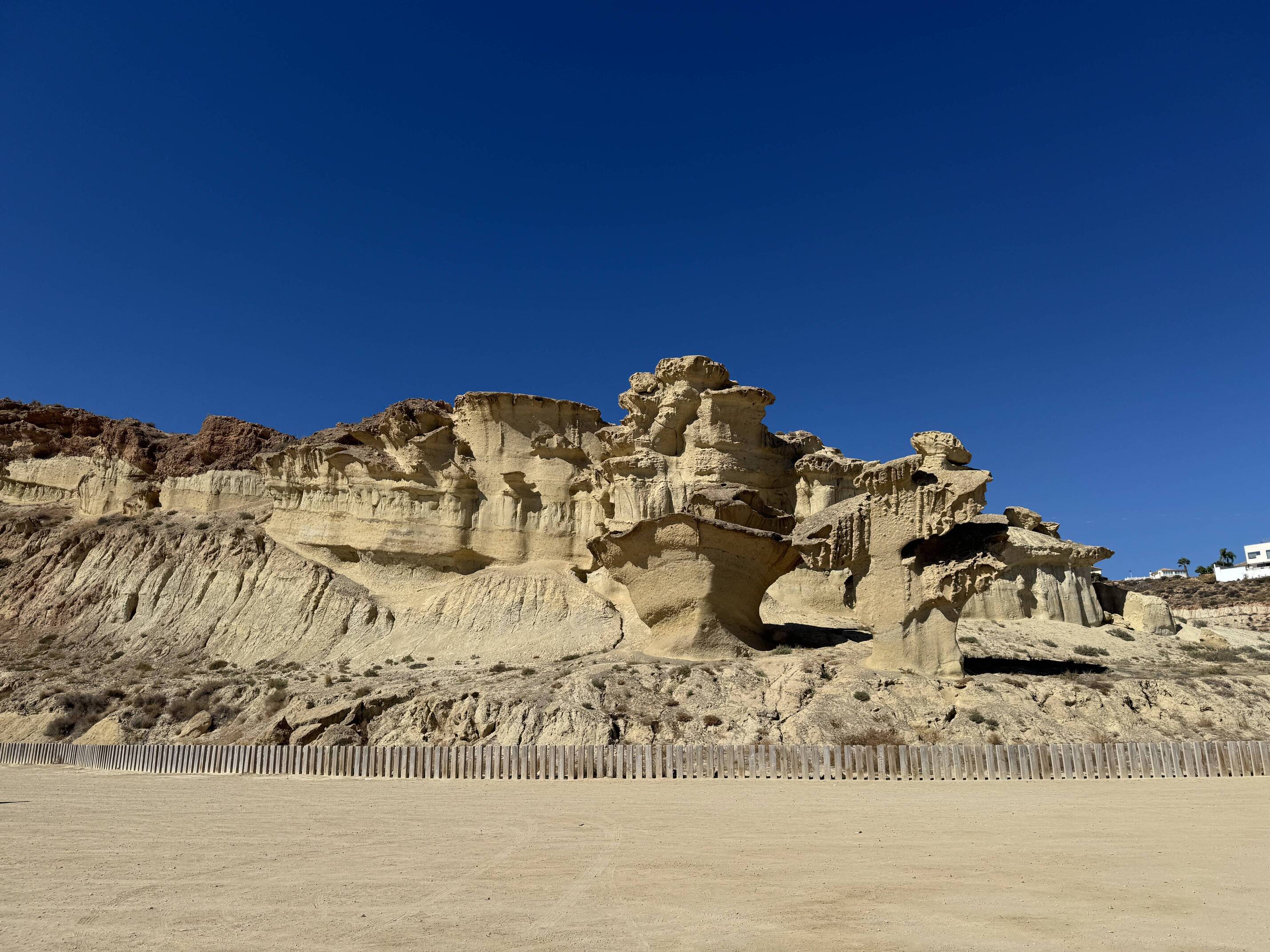
Natural rock formations in Mazarròn
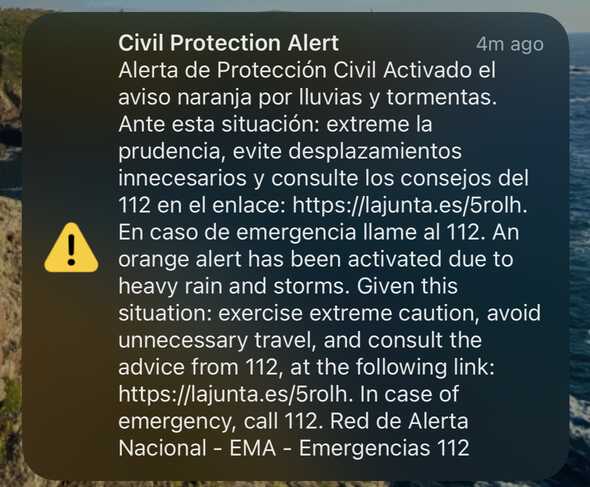
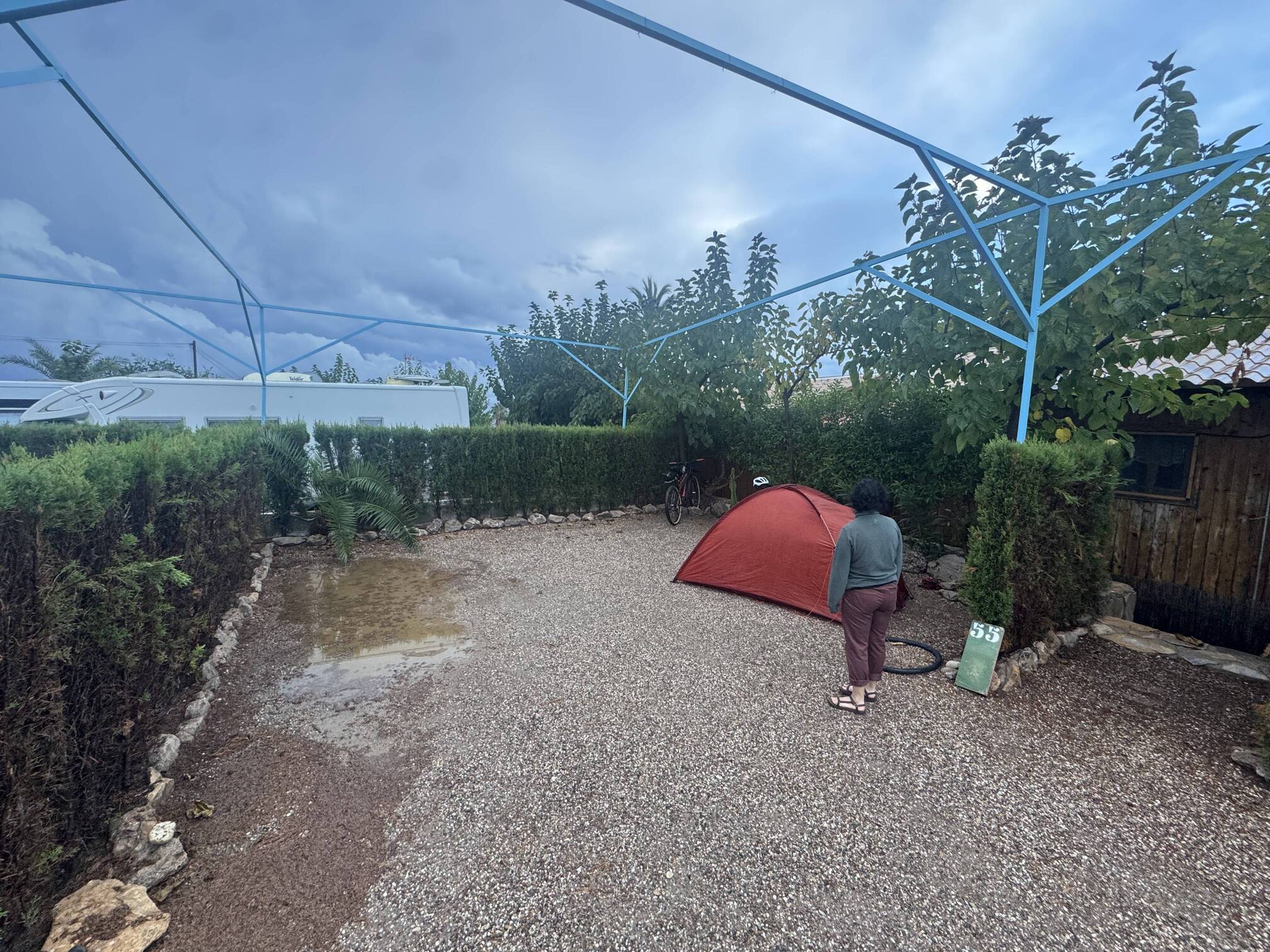
The morning after a orange alert for thunderstorms.
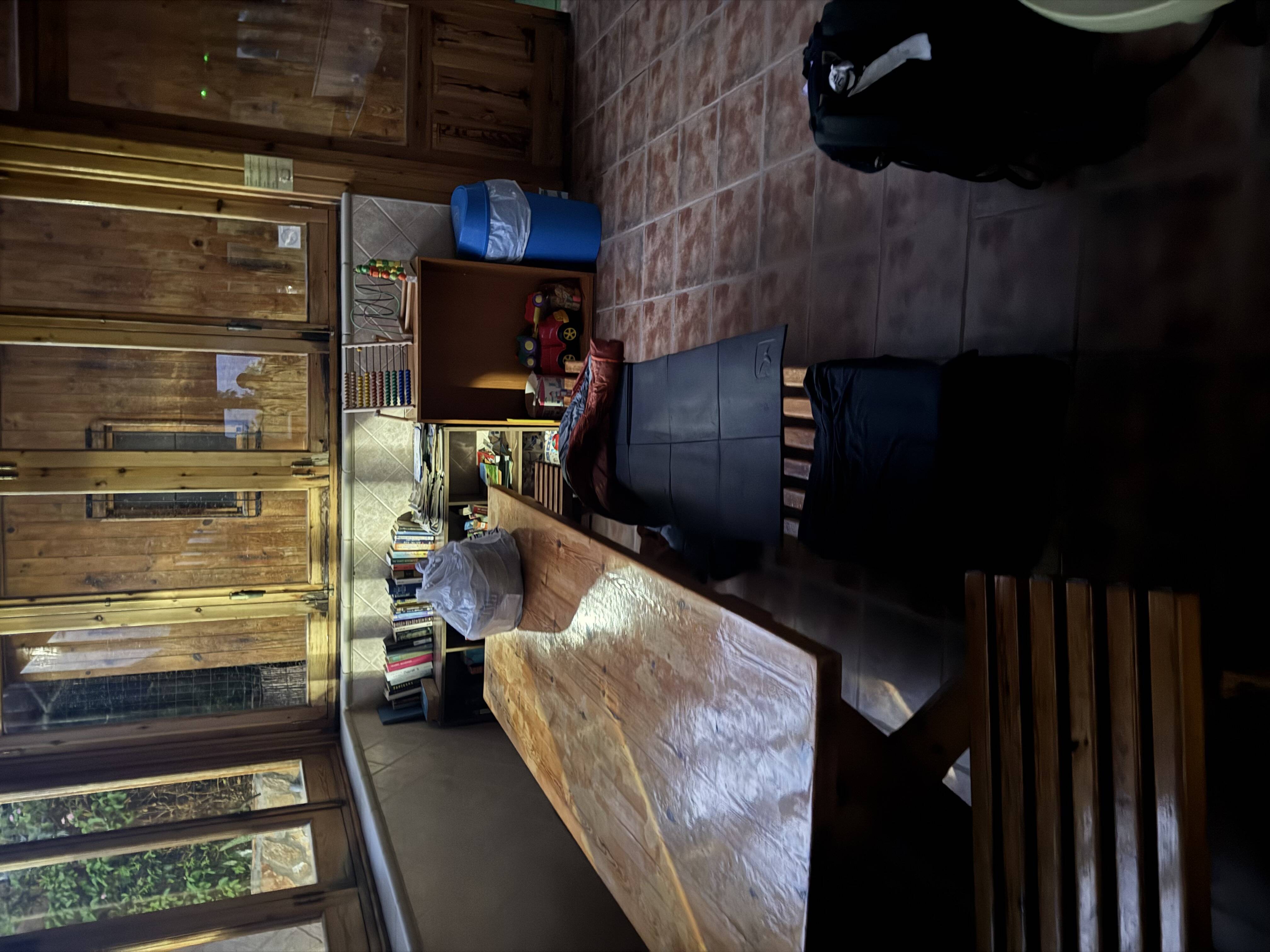
We woke up at 3am and in the matter of 40 minutes the ground we were sleeping on was no longer draining water, leaving us to sleep in a puddle. We moved to sleep on the benches of a building nearby.
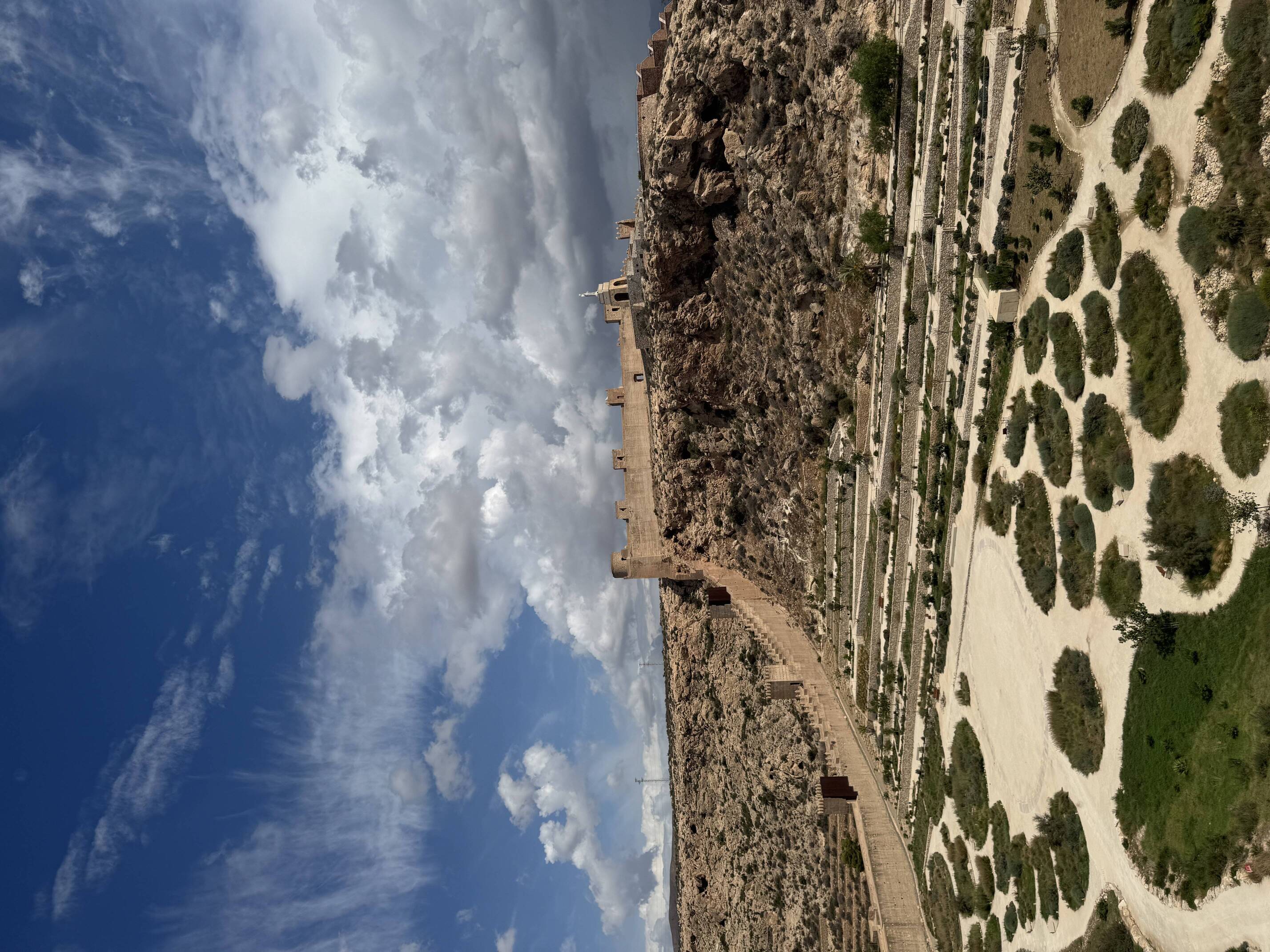
The walls of the Alcazaba in Almerìa.
Makes you want to play Age of Empires.
The Cathedral in Almerìa
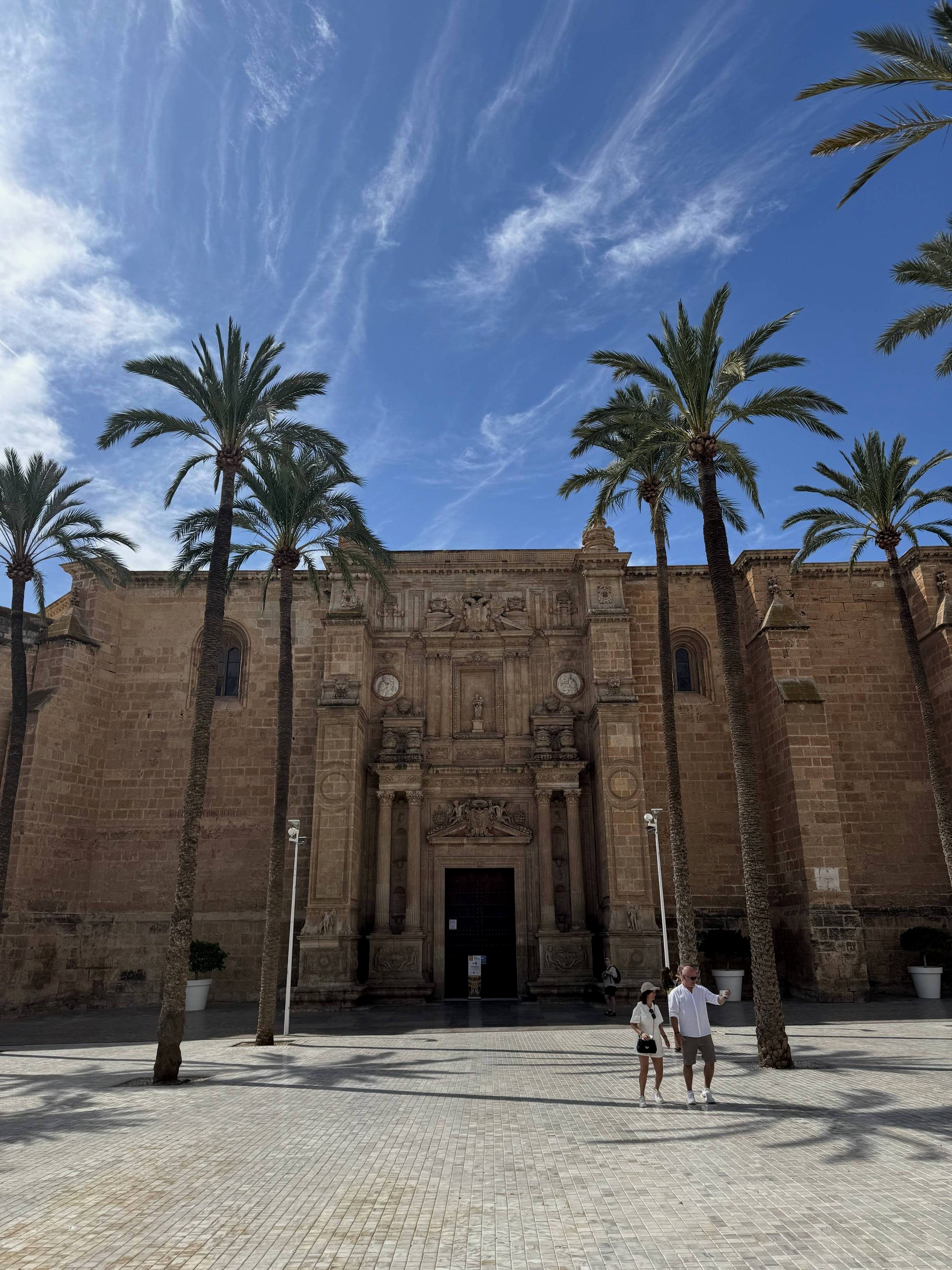
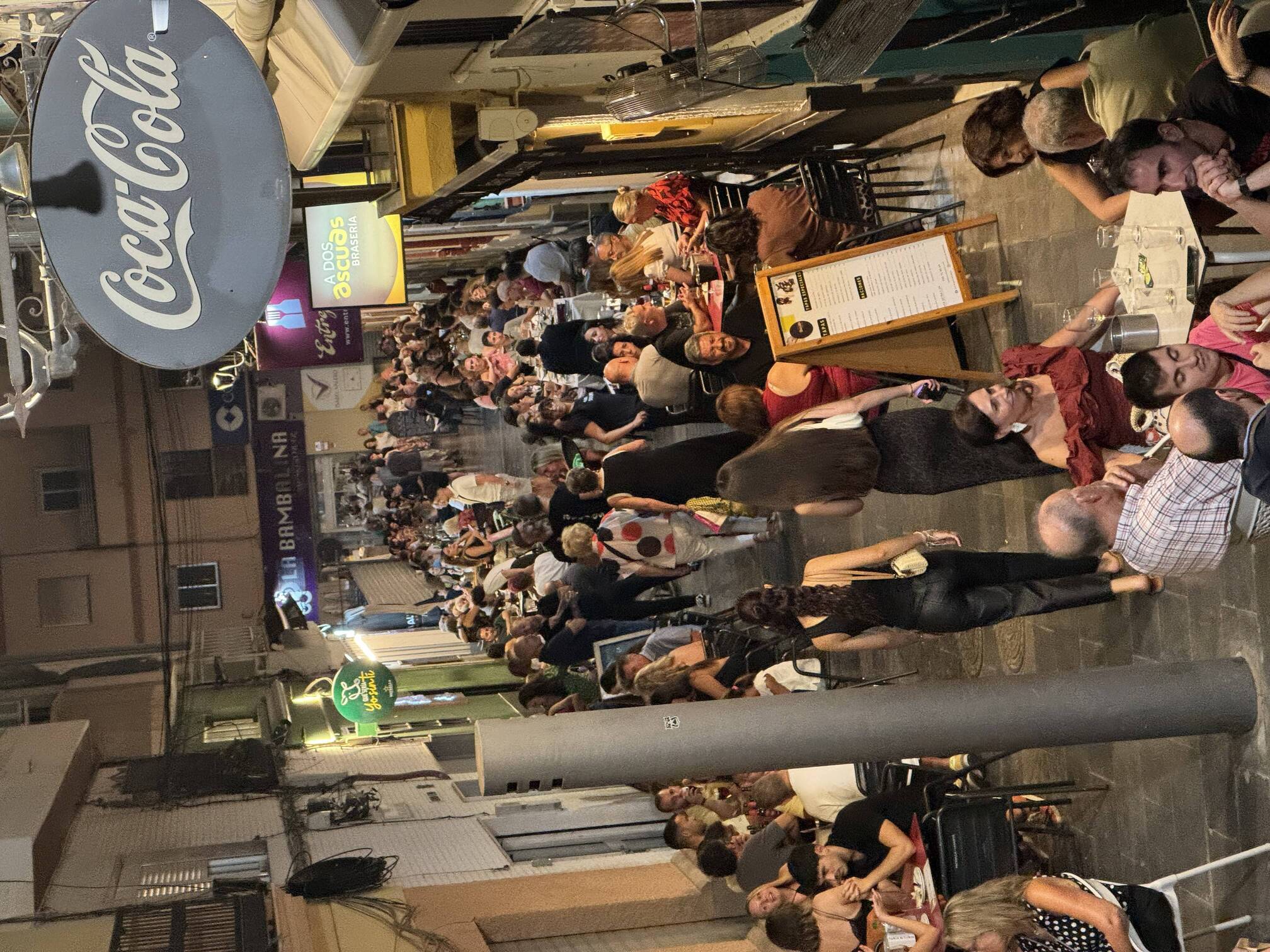
Busy streets in Almerìa during a week day.
Silicon Valley can only dream about this level of pizzazz.